
Custom Orthotics, Braces & Preventive Care
How your foot strikes the ground affects everything above it. We fit orthotics and braces built around your specific mechanics, so pain doesn’t get the chance to start.
What You Need To Know
The way your foot moves determines how much strain travels to your knees, hips, and back — and it’s fixable.
Your Foot Mechanics Are the Starting Point
Most foot and ankle problems don’t begin with a single injury. They build gradually, from a foot that rolls inward more than it should, an arch that’s collapsed under years of standing, or an old sprain that left the ankle just a little less stable than before. None of that shows up as pain right away, but it eventually does.
We commonly address: – Flat feet or fallen arches that cause fatigue or pain during standing and walking – Chronic ankle instability from a sprain that never fully healed – Uneven gait patterns that put extra pressure on certain parts of the foot – Balance and fall risk concerns, particularly in older adults – Recurring calluses or pressure sores in the same location
For active adults across Chicagoland, small mechanical issues are often behind recurring shin splints, plantar fasciitis, or knee pain that doesn’t seem connected to the feet at all. A generic insert from a drugstore is built for an average foot. A custom orthotic is built for yours.
For older adults, staying steady on winter sidewalks and uneven surfaces depends on more than strength alone. Supportive footwear, properly fitted orthotics, and balance-focused bracing all play a role, and a fall risk evaluation is a simple starting point.
For parents, flat feet in young children are common and often correct themselves with growth, but a persistent limp, one foot that seems more affected than the other, or ongoing complaints of pain are worth having looked at.
What Custom Orthotics and Bracing Look Like
Every fitting starts with understanding how your foot moves, not just what it looks like while you’re standing still.
The evaluation: – A gait and pressure analysis to see how your weight distributes with each step – A hands-on exam of flexibility, alignment, and areas of strain – A discussion of your activity level, footwear habits, and where symptoms show up
Orthotic and bracing options: – Custom-molded orthotics built from a cast or scan of your foot – Ankle braces for chronic instability or post-sprain recovery – Inserts designed specifically for flat feet or high arches – Bracing tailored to sport-specific or work-related demands
Fall prevention support: – A balance and mobility assessment – Footwear and orthotic recommendations suited to your daily routine – Practical guidance for reducing fall risk at home
Keeping the plan on track: – Follow-up fittings to confirm orthotics and braces still fit as your needs shift – Adjustments for growing kids or a change in activity level – Coordination with physical therapy when added strengthening is part of the picture
A proper fitting the first time means you’re not stuck cycling through generic inserts that never quite address what’s actually going on.
Related Services
Where We Treat
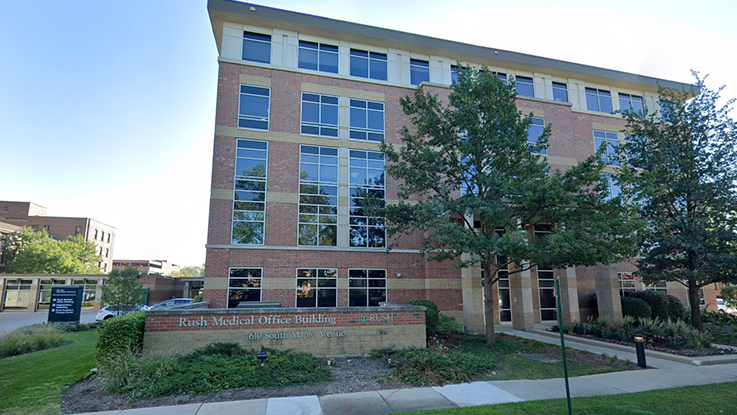
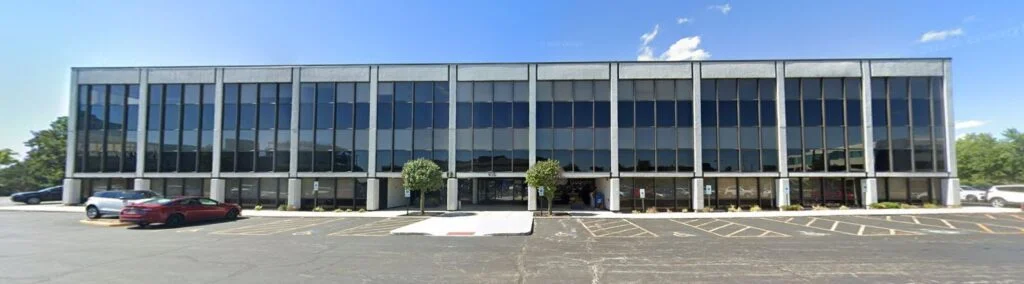
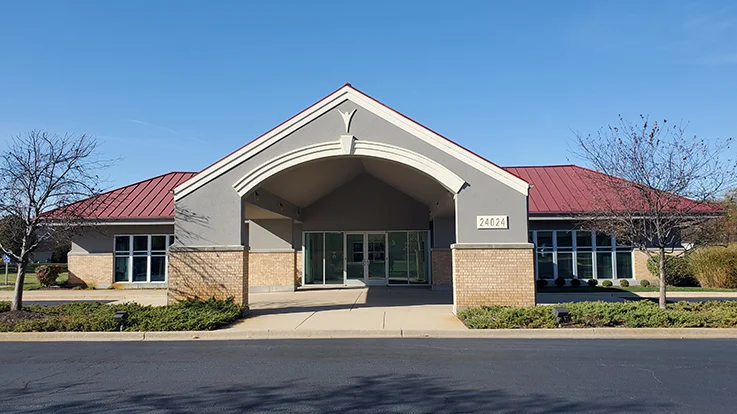
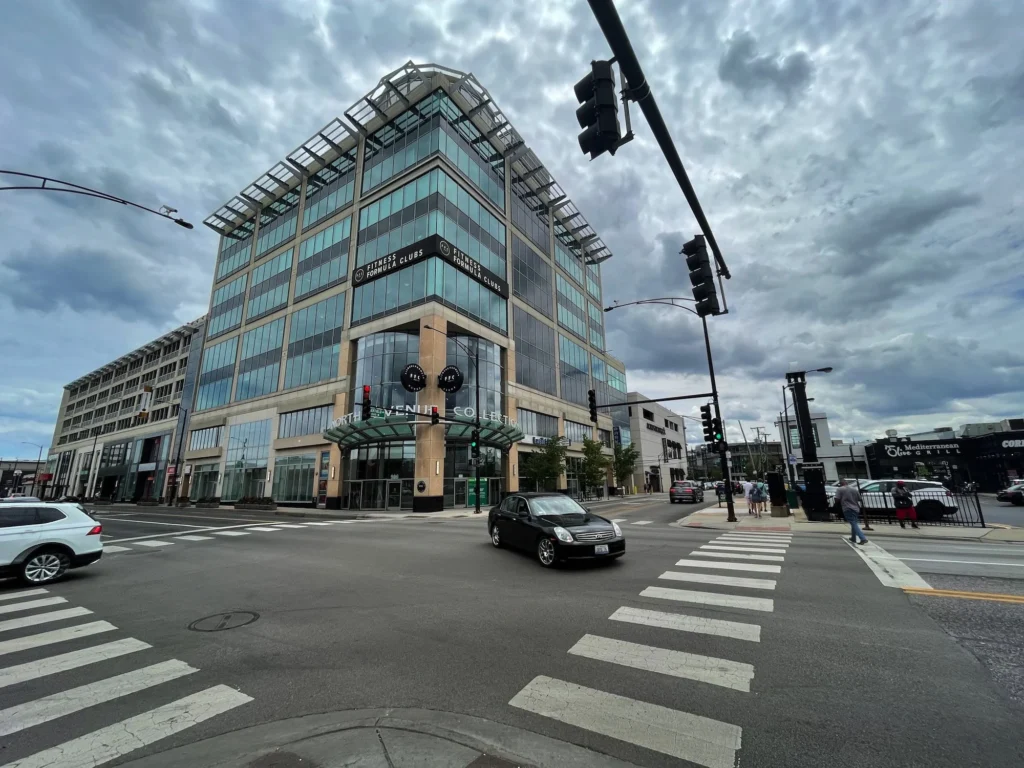
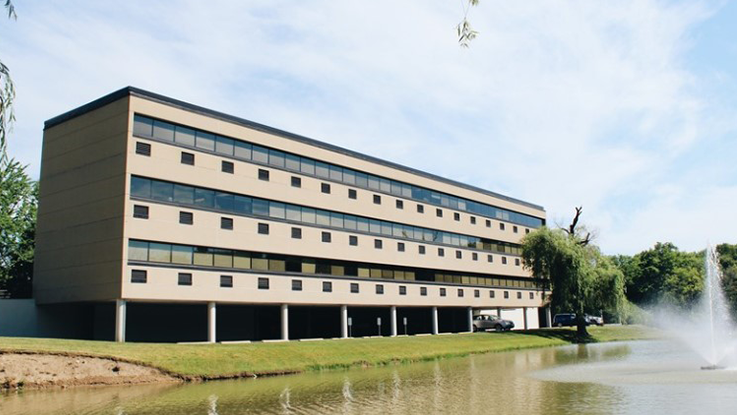
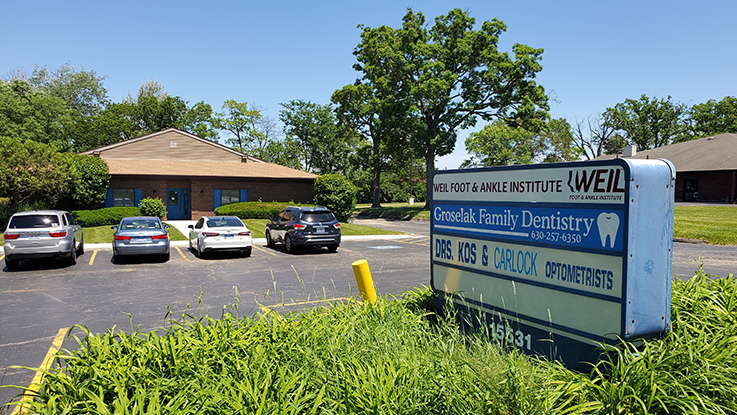
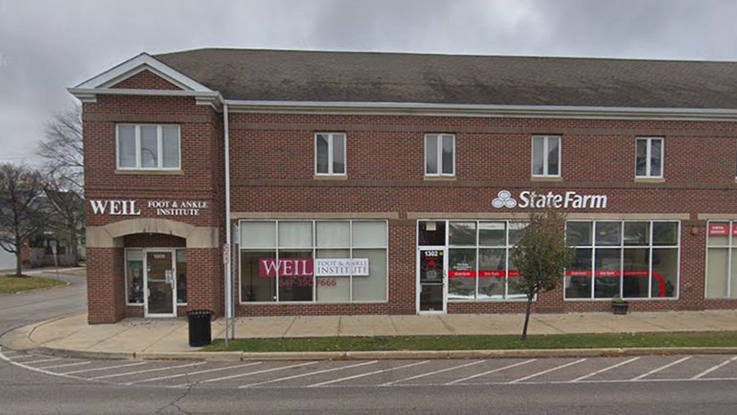
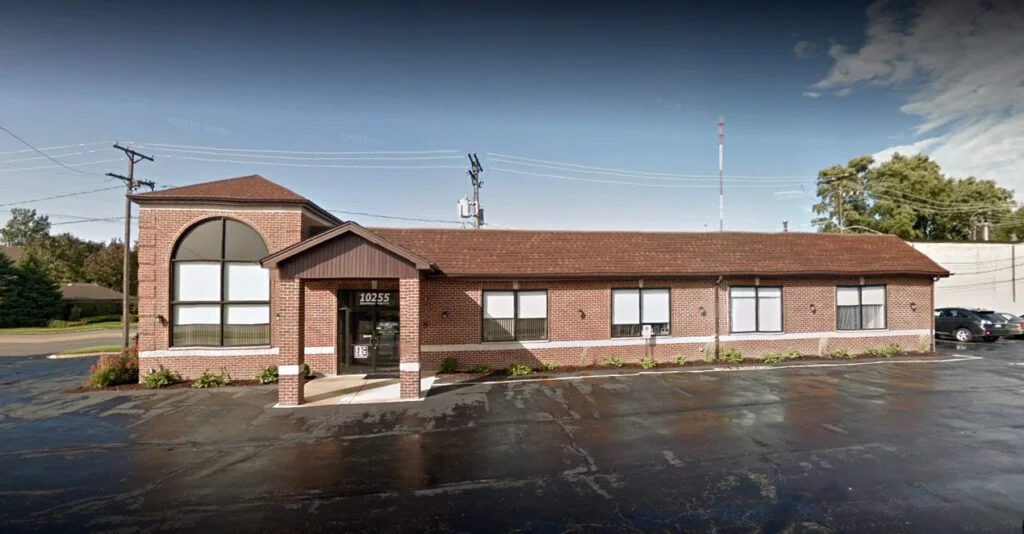
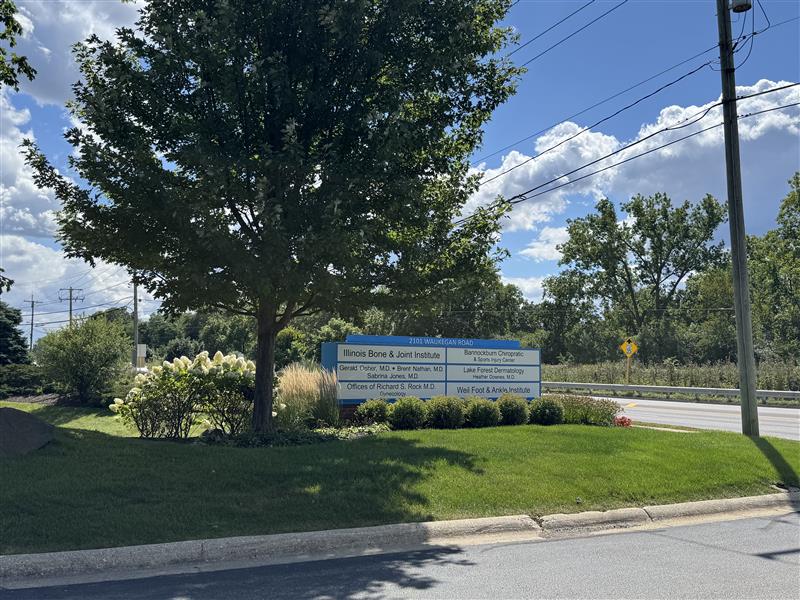
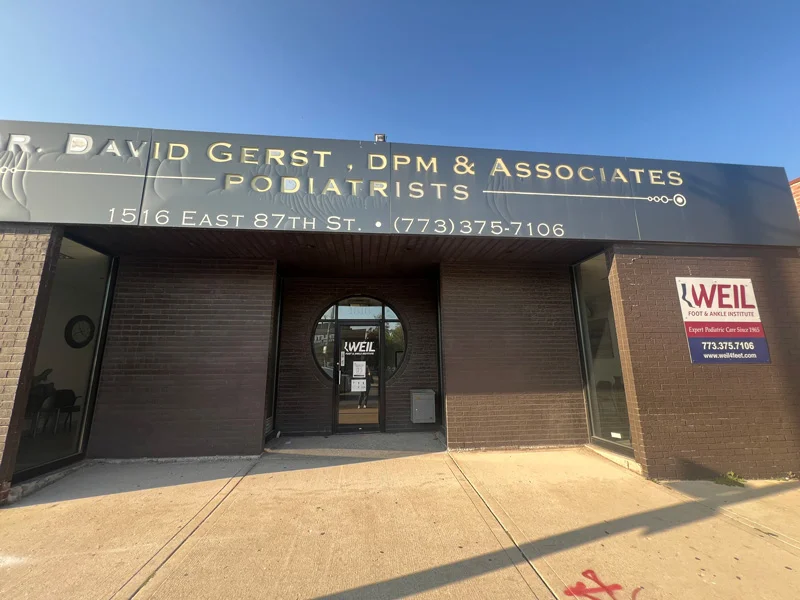
Find a Weil Foot and Ankle Institute location near you across Chicagoland for an orthotics fitting or preventive care evaluation.



Get Ahead of the Problem Before It Starts
A proper fitting today can spare you months of avoidable pain later.