
Wounds, Ulcers & Limb Preservation
A wound on the foot that hasn’t closed in a couple of weeks is telling you something. Our specialists step in early to protect your foot before the situation escalates.
What You Need To Know
A wound that stalls in healing almost always has an identifiable cause, and finding it is the fastest way to close it.
Why Some Foot Wounds Don’t Heal on Their Own
Most cuts and scrapes on the foot close within a week or two. When one doesn’t, something else is usually interfering with the healing process, and it’s rarely something a fresh dressing can resolve by itself. Across Chicagoland, our team regularly evaluates wounds tied to:
– Diabetic ulcers that develop on pressure points, often with little to no pain – Poor circulation slowing healing around the ankle or lower leg – Surgical sites or old injuries that have reopened – Pressure sores from a cast, brace, or extended time off your feet – Any foot wound still open after two weeks with no visible improvement
Chicago winters add another layer of risk. Cold exposure, snow boots that don’t fit quite right, and reduced circulation in colder months can all slow healing further, which is part of why we watch wounds more closely once the weather turns.
For patients managing diabetes, reduced sensation means a wound can go unnoticed until it’s already infected. We build daily self-check habits into every visit so problems are caught while they’re still minor.
For older adults and anyone with limited mobility, thinner skin and slower circulation mean a wound that looks manageable today can look very different in a week. We’d rather see it early than after it’s changed.
Same-day appointments are typically available for wounds showing spreading redness, drainage, fever, or rapid change.
What Treatment for Wounds and Ulcers Looks Like
We treat wound care as a timeline, not a single fix — what happens in week one is different from what happens if the wound is still open in week four.
At your first visit: – Measuring depth and checking for active infection – Testing circulation and sensation in the surrounding tissue – Debridement to clear dead or infected tissue on the spot, when appropriate
Over the following weeks: – Dressings adjusted as drainage and tissue type change – Offloading boots or custom padding to keep pressure off the area – Antibiotics if infection develops or persists – Imaging or labs added if bone involvement becomes a concern
If healing stalls: – A referral to a vascular specialist when circulation is limiting progress – Surgical debridement or repair for wounds that aren’t responding
After it closes: – Custom orthotics or footwear to keep the same spot from breaking down again – Ongoing diabetic foot exams to catch the next pressure point early – A clear home-monitoring routine for you or a caregiver
A wound that’s still open past the two-week mark is on borrowed time. The sooner the timeline starts, the shorter it tends to be.
Where We Treat Wounds and Ulcers
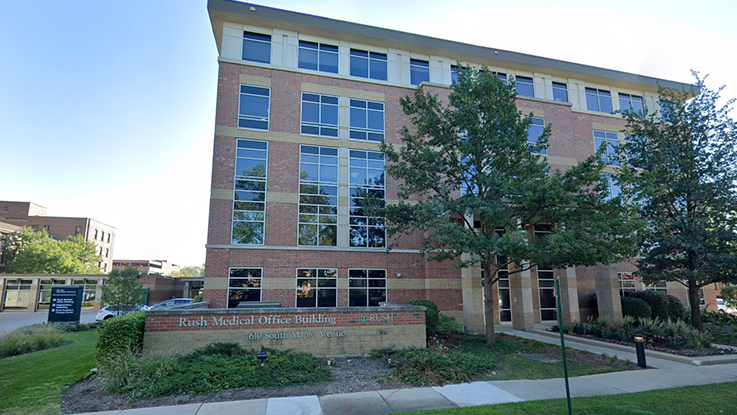
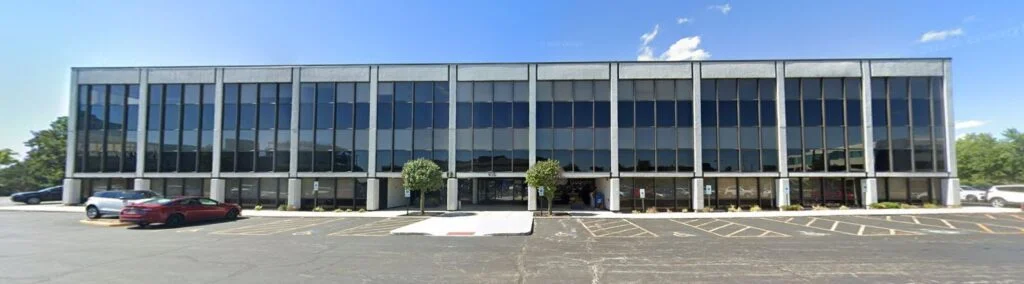
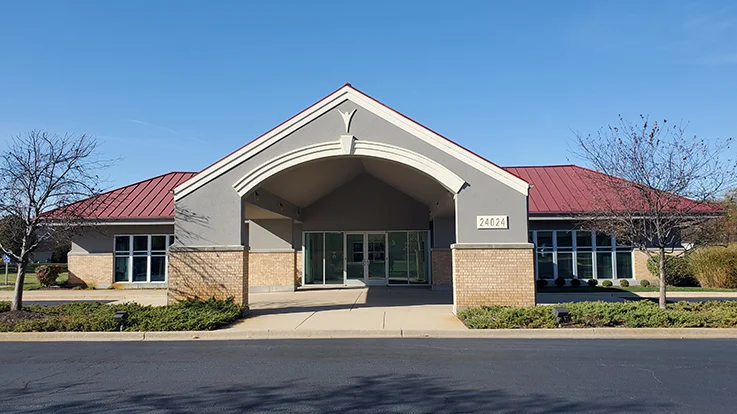
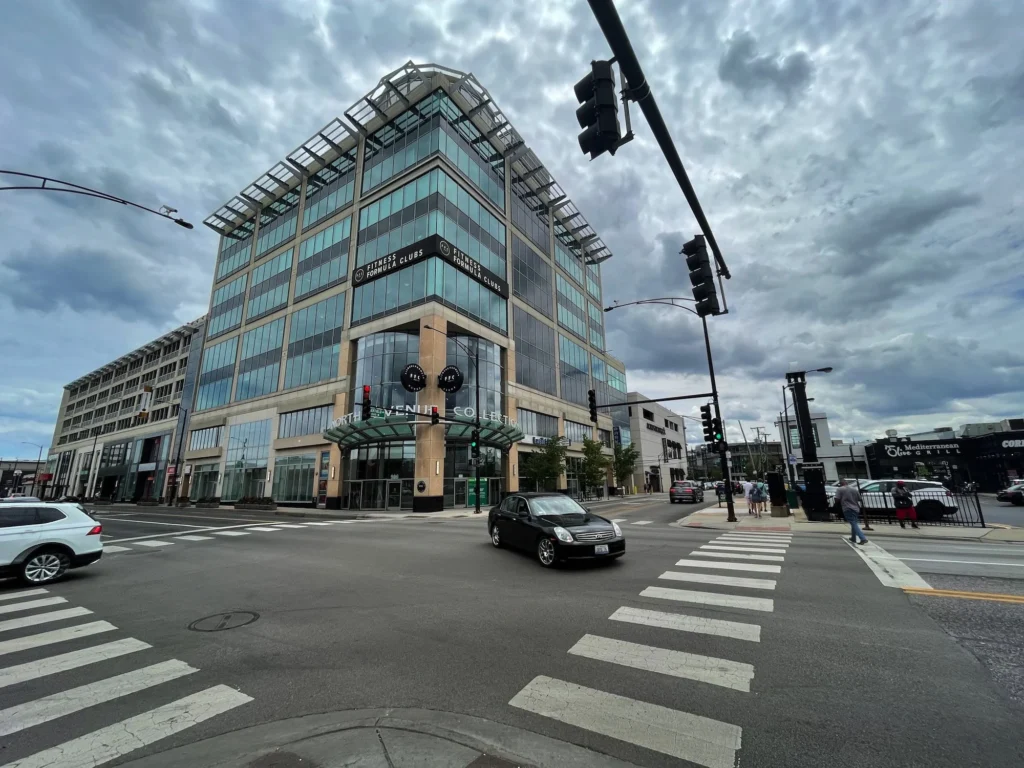
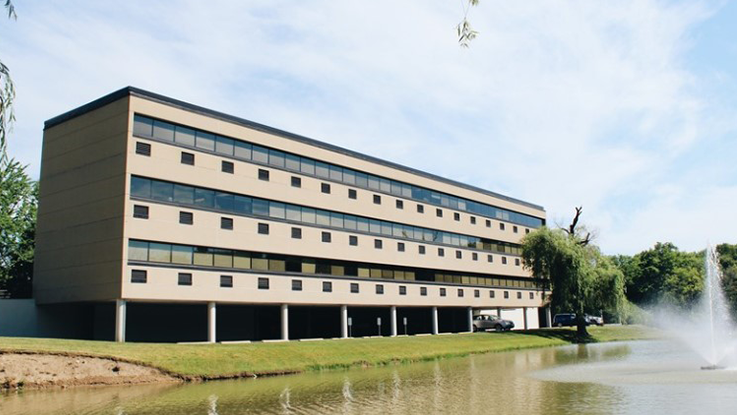
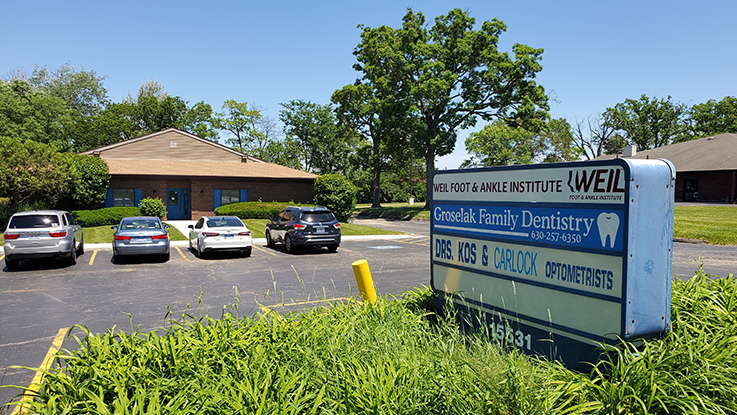
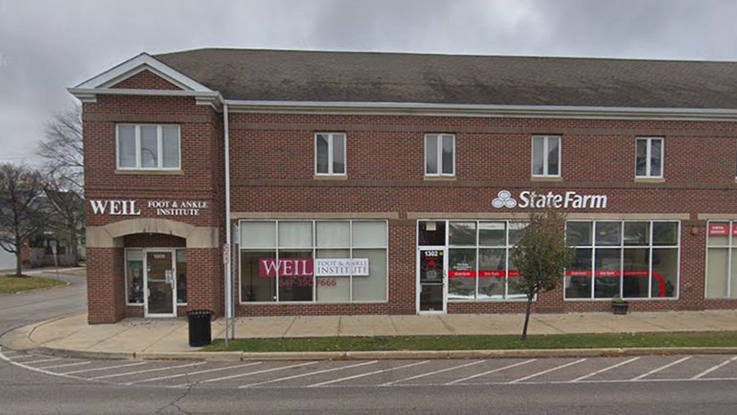
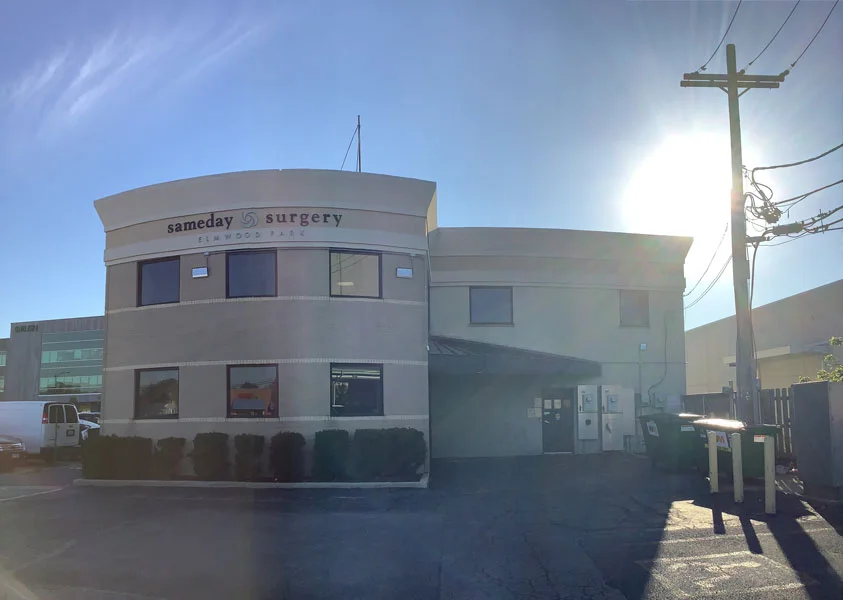
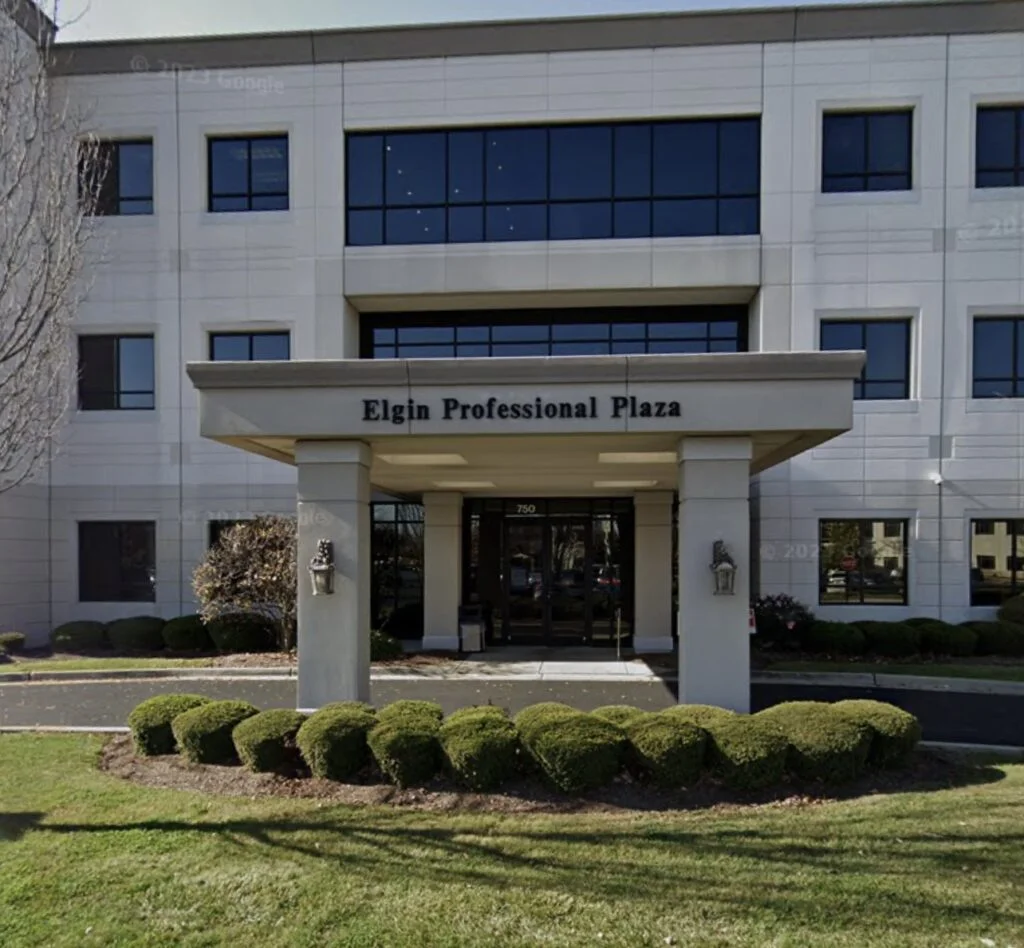
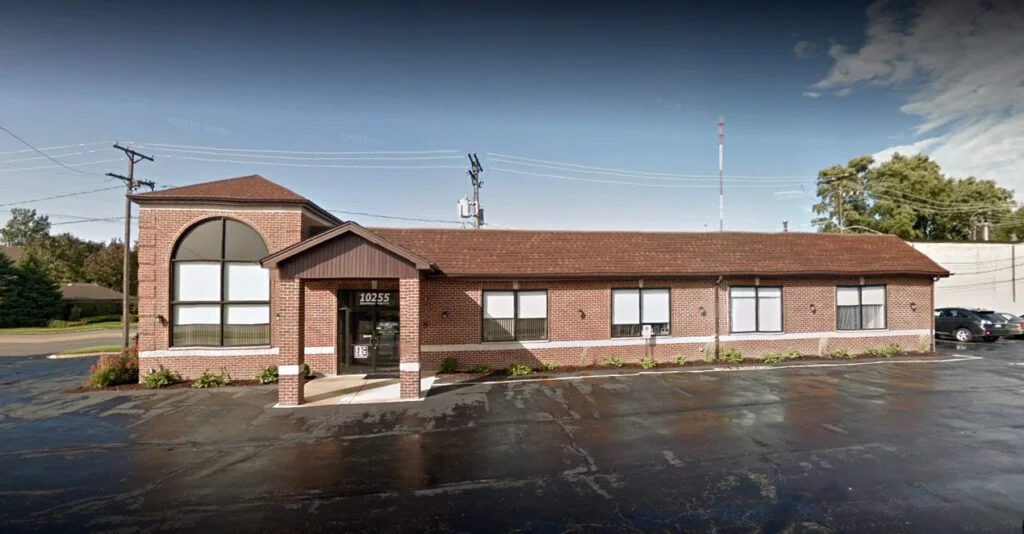
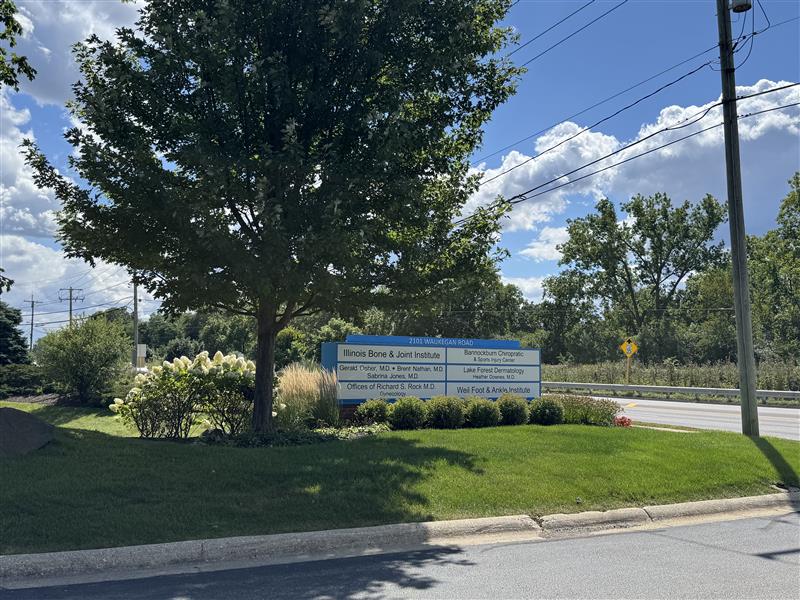
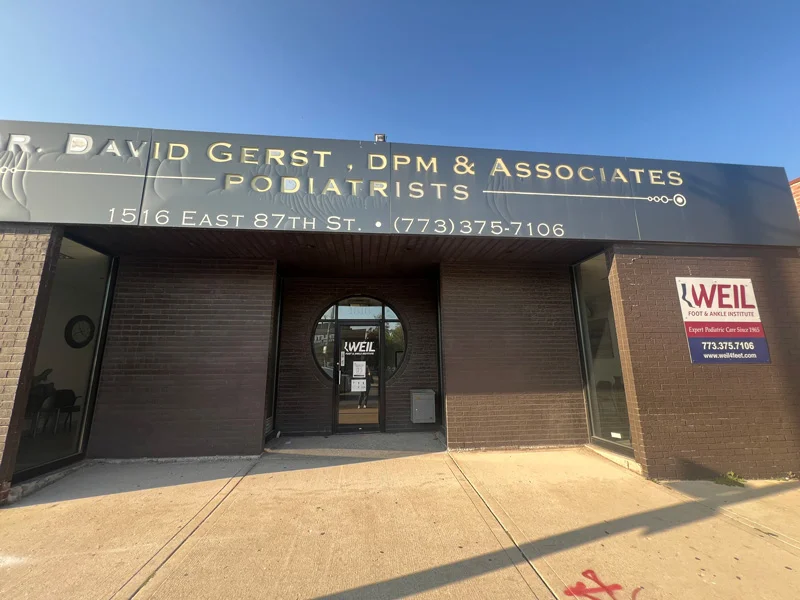
Find a Weil Foot and Ankle Institute location near you across Chicagoland for prompt wound evaluation.


Don’t Let a Wound Run Its Own Course
The earlier a non-healing wound is evaluated, the simpler it is to treat.