
Flat Feet Care and Custom Orthotics
Support your arches, reduce pain, and prevent complications with orthotics, bracing, and preventive foot care.
Understanding Flat Feet
Learn how flat feet develop, the problems they can cause, and how we treat them.
Flat Feet: Causes, Symptoms, and Care
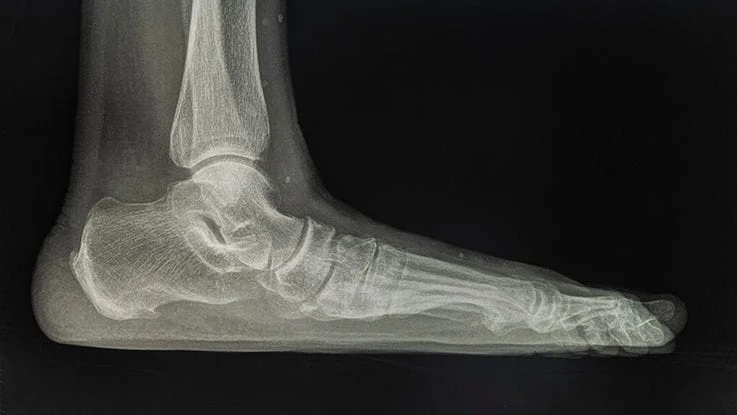
Flat feet are caused by naturally low arches and over-pronation, a position where your feet tend to turn away from your body and your heel rolls outward. Some people are born with flat arches, while others develop the condition over time as the tendons and ligaments that support the arch weaken or stretch.
Over time, this imbalance in your foot structure can lead to heel pain, bunions, hammertoes, shin splints, and even knee pain, hip pain, or back pain. Because the feet are the foundation of the body, poor alignment in the arches often affects the way you walk and stand, placing extra stress on the joints above them.
Common signs of flat feet include aching or fatigue in the arch or heel after standing or walking, swelling along the inside of the ankle, and shoes that wear unevenly. Some patients also notice that their feet roll inward or that their ankles feel unstable during activity.
If you have any of these symptoms, or if foot pain is beginning to affect your daily activities, it is important to be evaluated. Addressing flat feet with our foot specialists in Suffolk, North Suffolk, Hampton, and Virginia Beach, Virginia can help prevent these problems and keep you moving comfortably.
Treatment Options for Flat Feet
The best way to avoid complications from flat feet is early evaluation and consistent support for your arches. We may be able to provide custom orthotics to decrease your chances of surgery and to relieve the strain that flat arches place on your feet, ankles, knees, hips, and back.
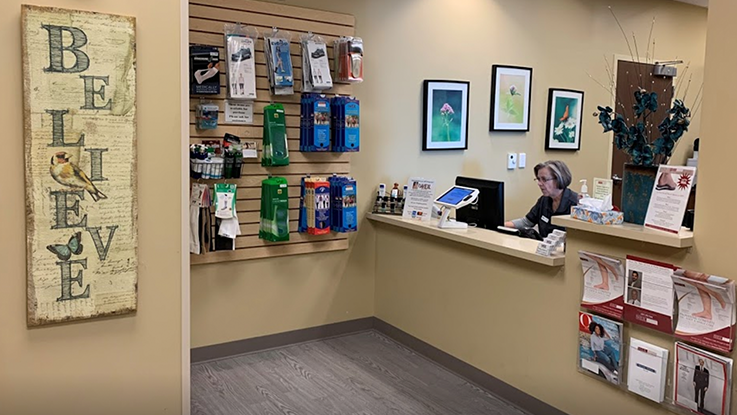
Proper footwear is another important part of managing flat feet. We may invite you to our on-site shoe store, The Shoe Fits, to determine if better fitting footwear will also help support your feet during daily activity.
Other treatments may include foot and ankle stretches to improve flexibility and strength, icing painful areas to reduce inflammation, anti-inflammatory medicine when appropriate, and supportive bracing or taping to stabilize the arch and ankle. In severe cases, when conservative care does not provide enough relief, surgery may be required to reconstruct the arch or repair damaged tendons.
Most patients with flat feet do very well with a combination of orthotics, supportive shoes, and targeted exercises. With the right plan in place, you can stay active, reduce pain, and lower your risk of developing further foot and joint problems down the road.
Flat Feet Care at a Location Near You
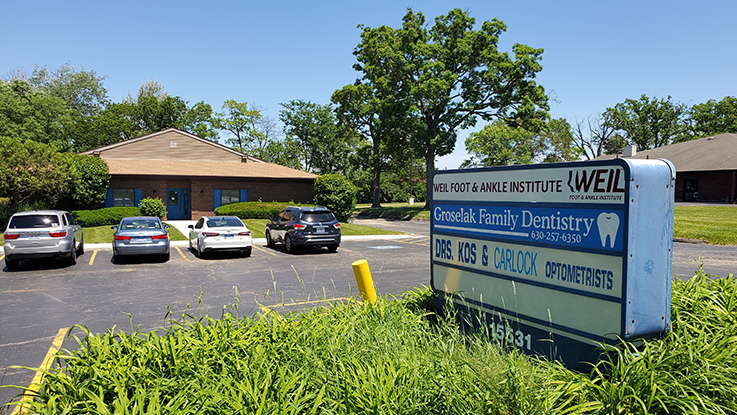
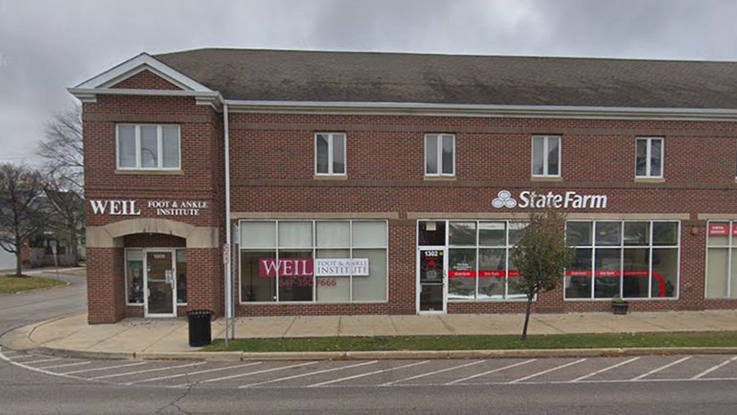
Find a convenient location for flat feet evaluation, orthotics, and preventive care.









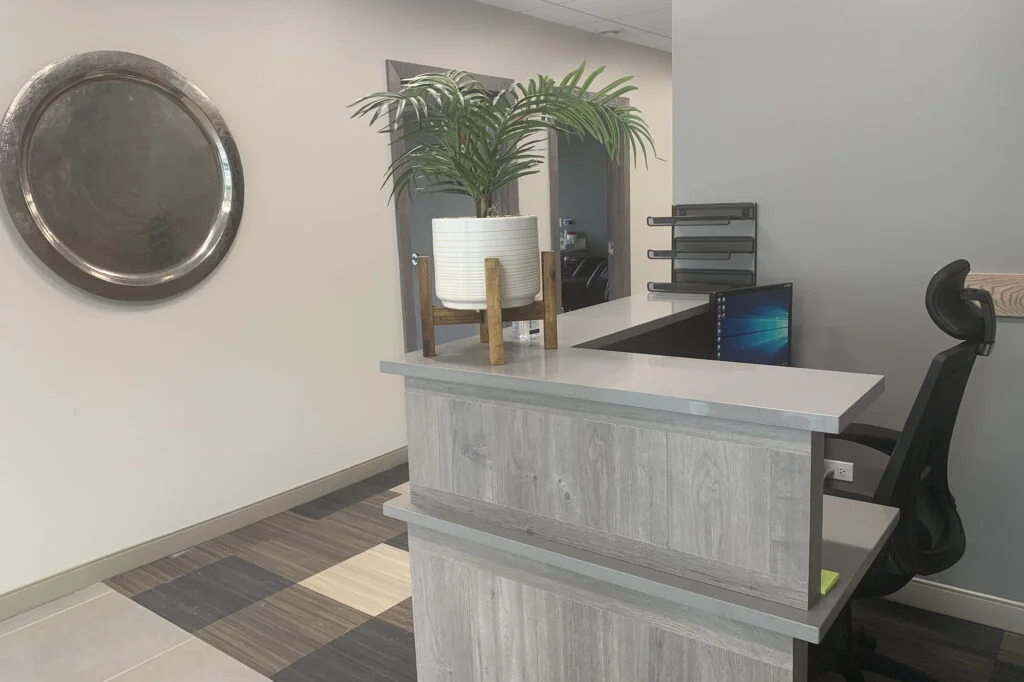

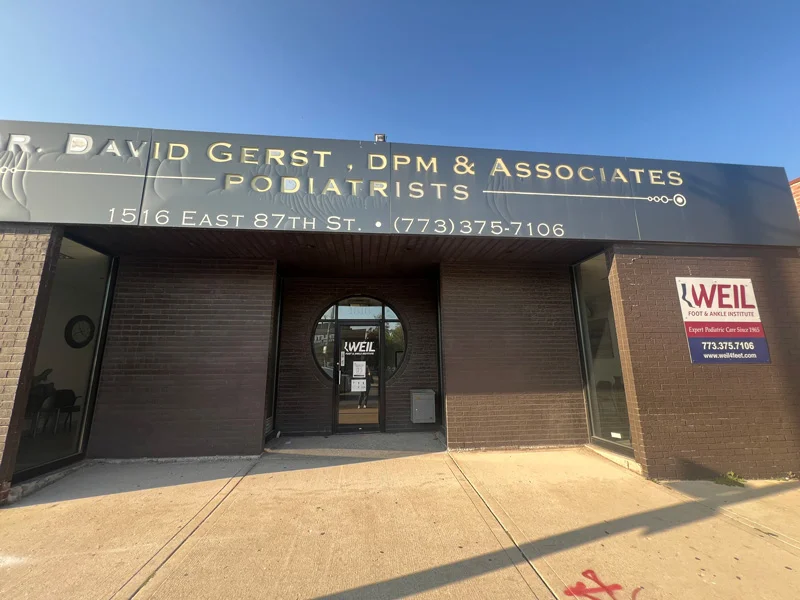
Don’t let flat feet slow you down, schedule your visit today.
We’ll help you find relief with custom orthotics and supportive foot care.