
Skin and Nail Concerns
A stubborn nail or a wart that keeps coming back usually needs more than what’s on the drugstore shelf. Our specialists treat the cause, not just what’s visible.

What You Need To Know
Nail and skin issues tend to get worse the longer they’re managed with over-the-counter fixes alone.
When a Nail or Skin Problem Needs More Than Home Care
It’s common for patients to try a topical cream or wait things out before ever calling a podiatrist. The problem is that most home remedies address symptoms on the surface while the underlying cause keeps going. By the time patients across Chicagoland come in, they’ve often already spent months on something a focused treatment plan resolves much faster.
What we see most often: – Toenails that have thickened, yellowed, or become brittle – Nails growing into the surrounding skin, with redness, swelling, or drainage – Rough, raised growths on the sole caused by a viral infection – Nails lifting or separating from the nail bed – Skin between the toes that’s persistently cracked, itchy, or peeling
For active patients, communal spaces like gyms, pools, and locker rooms are common places to pick up fungal infections and plantar warts, and these conditions spread easily to other areas of the foot if left alone.
For parents, kids often don’t say much about a wart or ingrown nail until it’s uncomfortable enough to notice while walking. A child limping, avoiding certain shoes, or hiding a toe at bath time is worth a look.
For older adults, thickened or fungal nails aren’t just cosmetic. They can make routine trimming difficult, contribute to gait changes that raise fall risk, and sometimes point to circulation issues worth catching early, especially for patients managing diabetes.
What Treatment for Skin and Nail Concerns Looks Like
Rather than treating every case the same way, we start with the least invasive option that fits your specific issue and only move further if it doesn’t hold.
Step one is almost always conservative: – Nail debridement for thickened or fungal nails – In-office removal of the ingrown portion of a toenail – Topical acid treatment for a newly developed wart – A home-care plan matched to your skin type for cracking, peeling, or discoloration
If the first approach doesn’t fully resolve it: – Oral antifungal medication for fungus that’s gone deeper than a topical can reach – Cryotherapy for a wart that’s resistant to topical treatment – A minor in-office procedure for a toenail that keeps ingrowing
For cases that need more: – Laser treatment for fungal nails that haven’t responded to medication – Removal for warts that are still painful or persistent after freezing
Nail and skin exams double as an early warning system. Circulation changes, diabetes-related shifts, and nerve involvement tend to show up here long before they’re obvious anywhere else, which is why we treat this visit as more than cosmetic.
Related Services
Where We Treat Skin and Nail Concerns
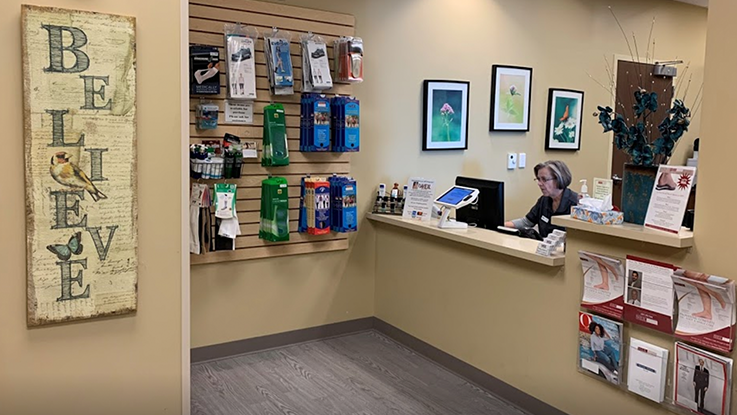
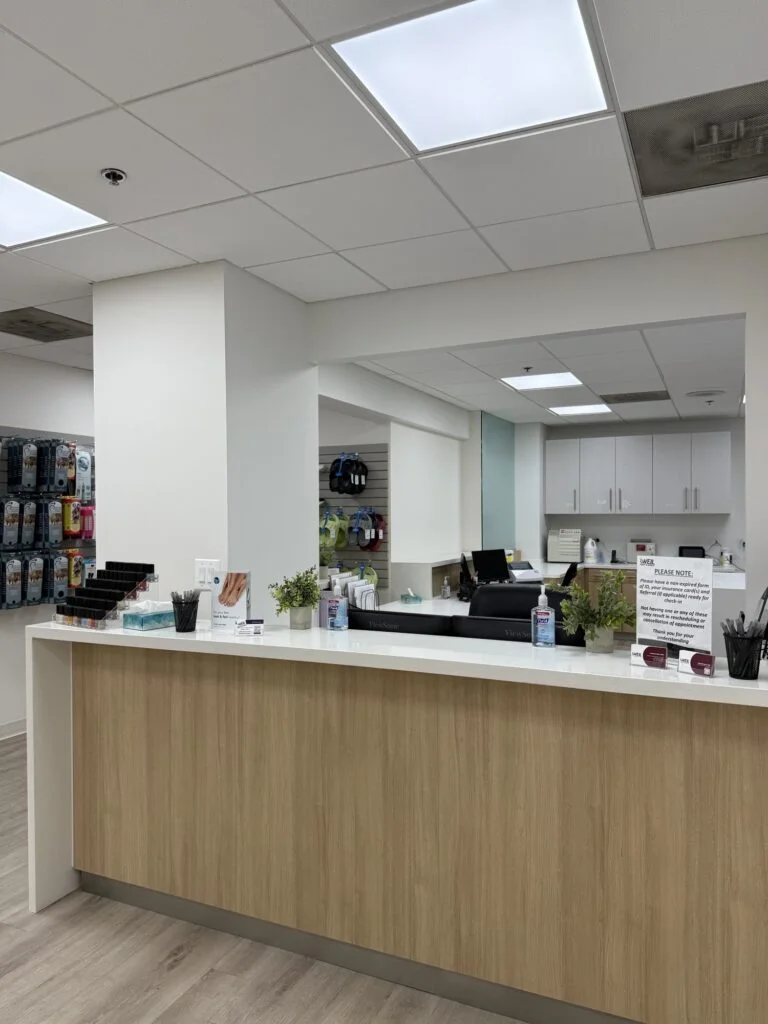
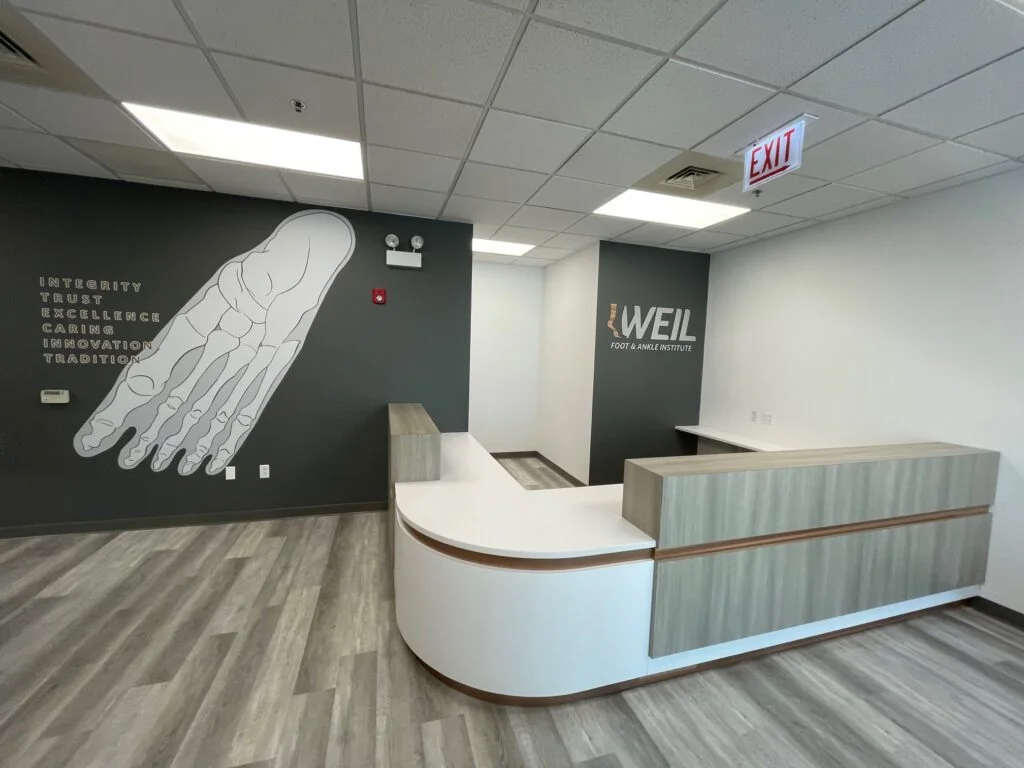
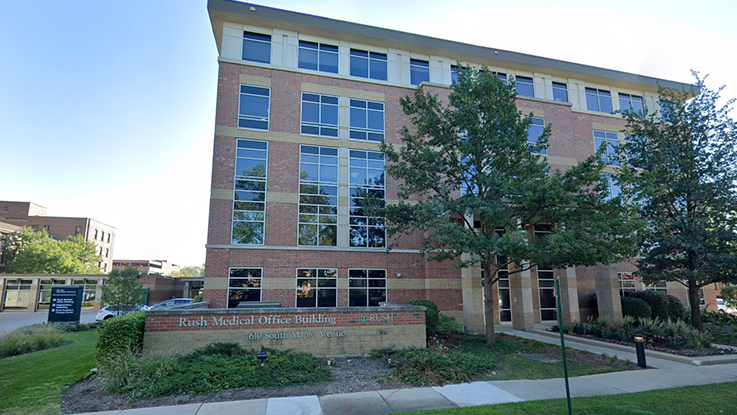
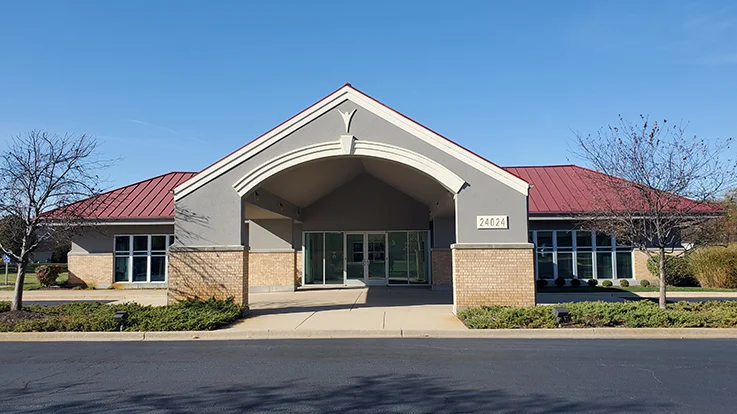
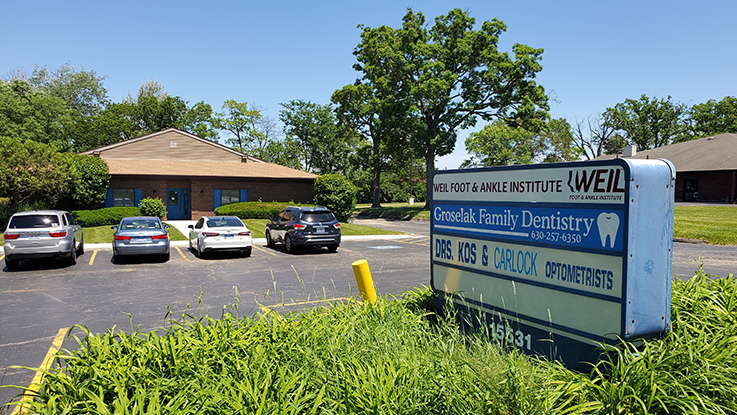
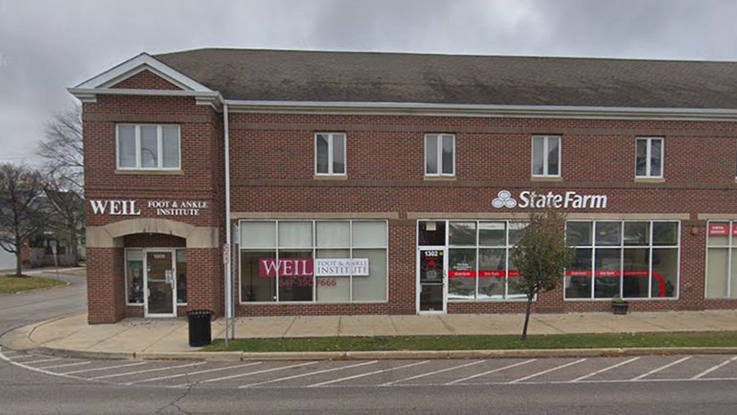
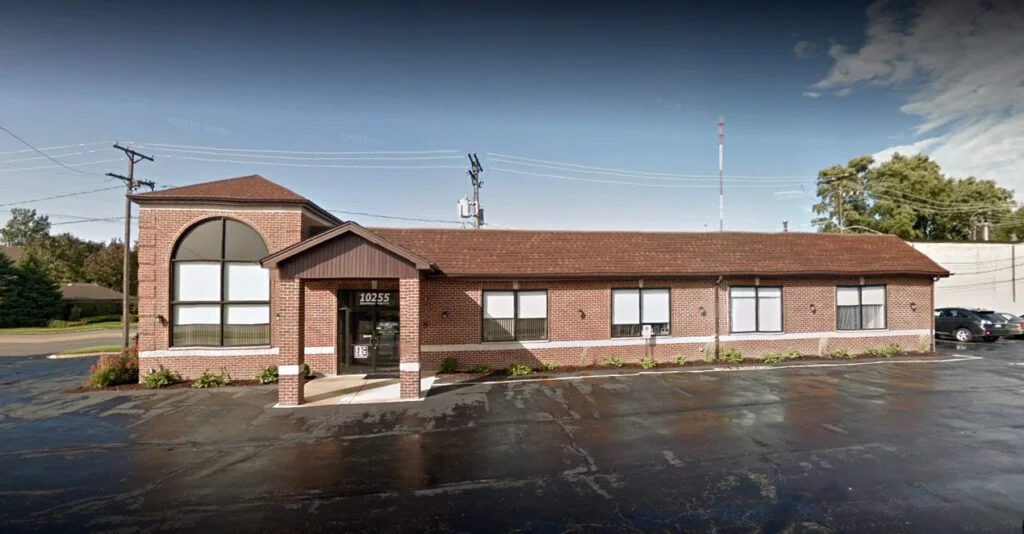
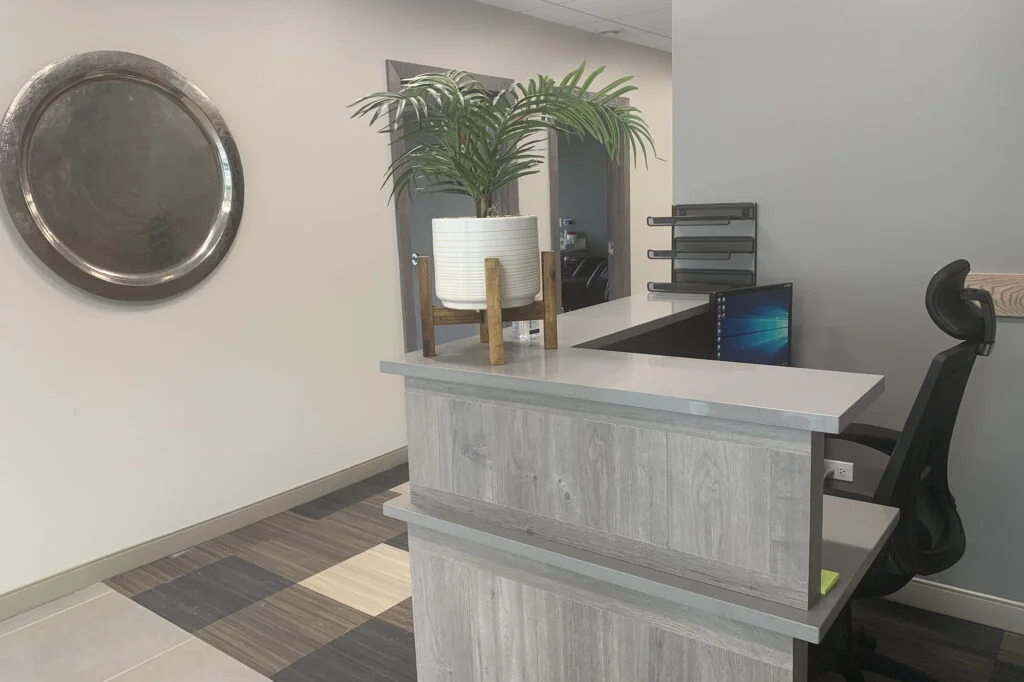
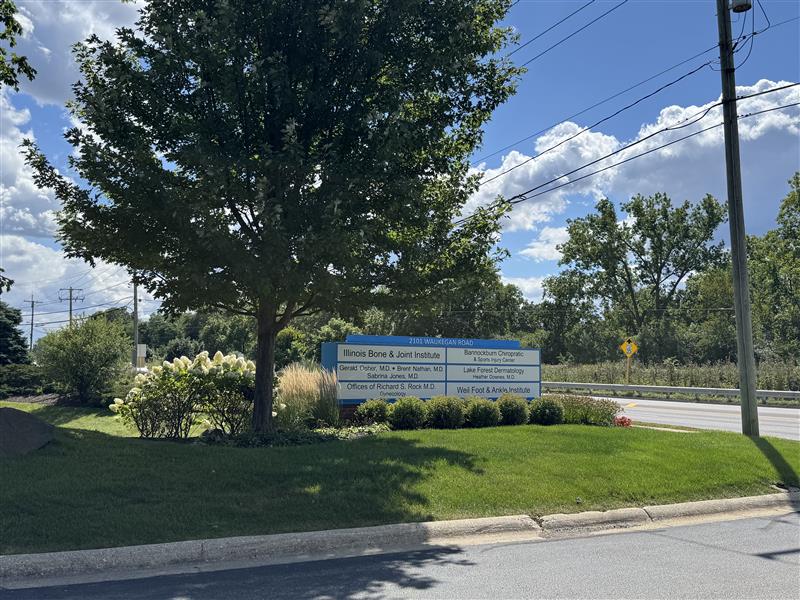
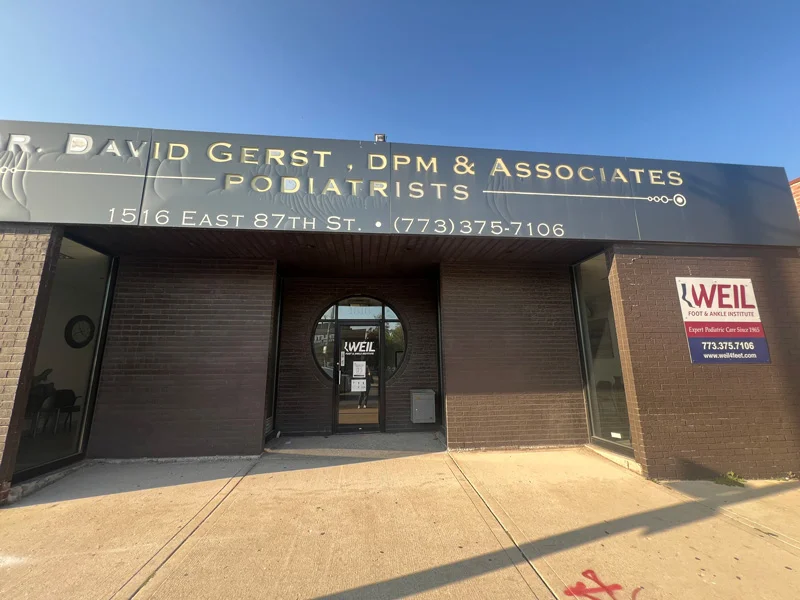
Find a Weil Foot and Ankle Institute location near you across Chicagoland and get it looked at.








Take Care of Your Skin and Nails Today
Get an accurate diagnosis and a plan that actually resolves it.