
Pathology Lab Processing for Foot Care
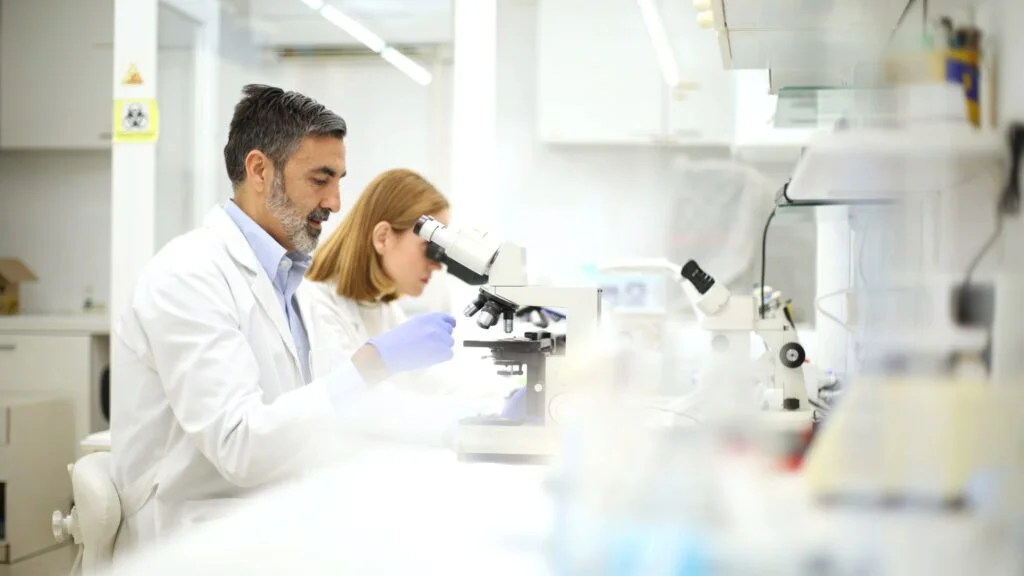
Onsite pathology testing helps our physicians diagnose foot and ankle conditions accurately so treatment can begin sooner.
What You Need To Know
How our pathology lab supports accurate diagnosis of foot and ankle conditions.
About Our Pathology Lab Processing
Weil Foot and Ankle Institute offers the convenience of a pathology lab, which allows for testing of body tissues (samples from biopsies) and fluids (blood). Typical services and tests include needle aspirations, fungal cultures, and bacterial cultures.
Pathology lab test results determine the cause and nature of diseases and help our doctors diagnose and treat our patients correctly. When a physician needs to confirm what is causing a skin lesion, nail change, infection, or soft tissue mass, laboratory analysis of a small sample can provide answers that a clinical exam alone cannot.
Biopsy samples are typically collected during an office visit using a small tissue sample from the affected area. Fluid samples, such as blood draws or needle aspirations from a joint or cyst, may also be sent for analysis. Cultures are used to identify the specific bacteria or fungi responsible for an infection, which allows for more targeted treatment.
Because samples are processed through our pathology lab, patients benefit from a streamlined process between their office visit, testing, and follow-up care. If your podiatrist recommends a biopsy or culture, they will discuss what to expect, how the sample will be collected, and when results will be reviewed with you at your next visit.
Better Treatment Starts with Answers
Discover how pathology testing can provide valuable insights into foot and nail conditions and help guide appropriate treatment decisions.
What to Expect With Lab Testing
When your podiatrist recommends pathology testing, the sample collection itself is usually a quick part of your office visit. A small tissue biopsy, nail clipping, swab, or fluid aspiration is taken from the area of concern. Local anesthetic may be used when appropriate to keep you comfortable during the collection.
After the sample is collected, it is labeled and sent to the pathology lab for processing. Different tests take different amounts of time to complete. Fungal cultures, for example, can take longer than bacterial cultures because fungi grow more slowly. Your podiatrist will let you know the typical turnaround time for the specific test being run.
Once results are available, your podiatrist reviews them and uses the findings to guide your care plan. If a culture identifies a specific organism, treatment can be tailored to that infection. If a biopsy identifies the nature of a skin or soft tissue change, your provider can recommend the appropriate next steps, whether that involves monitoring, medication, or a procedure.
Having access to pathology testing as part of your podiatric care means fewer separate appointments and a clearer path from question to answer. If you have a foot or ankle concern that may benefit from laboratory analysis, schedule a visit with one of our providers to discuss your options.
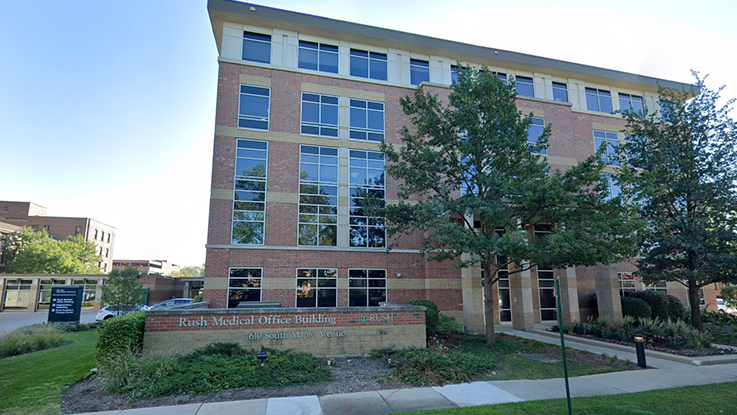
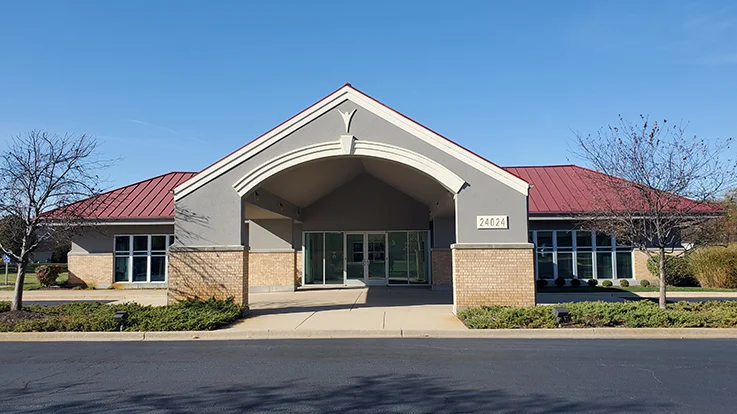
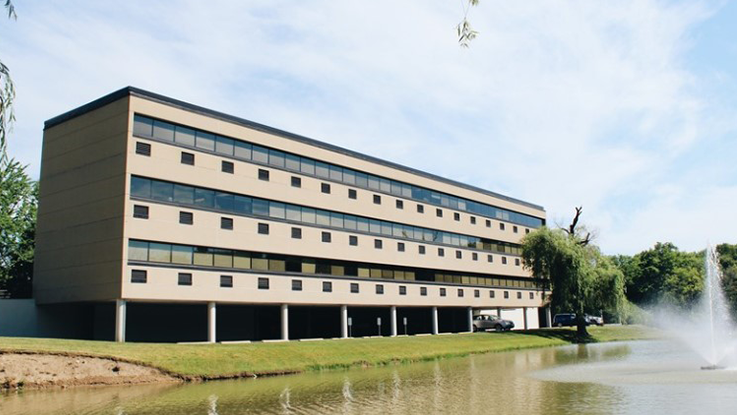
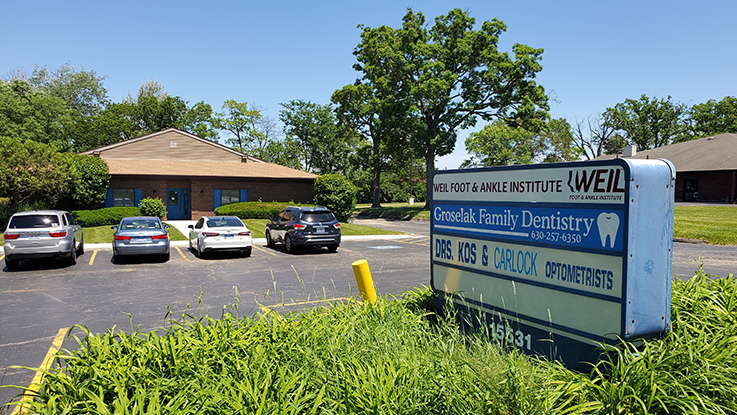
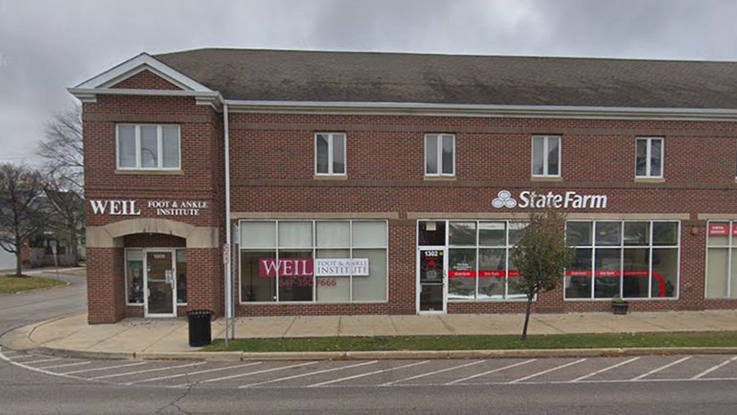
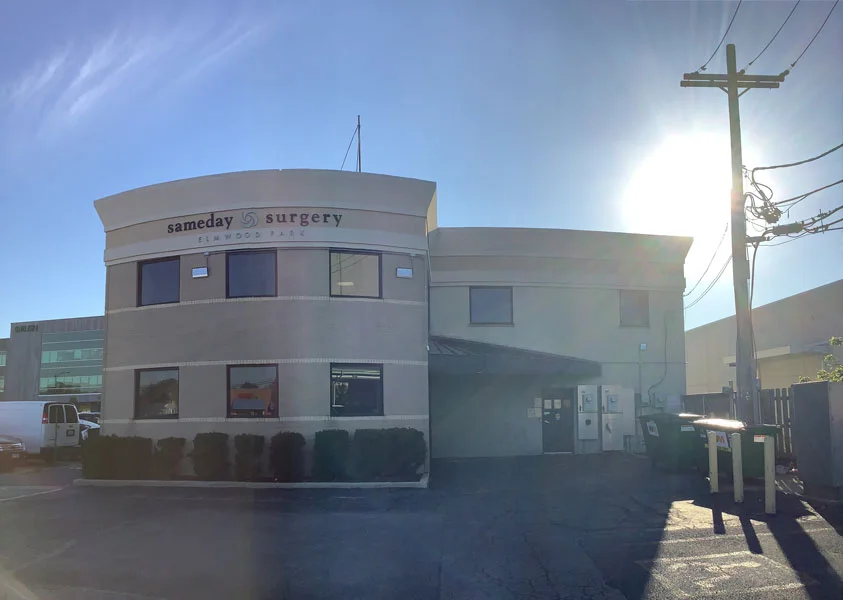
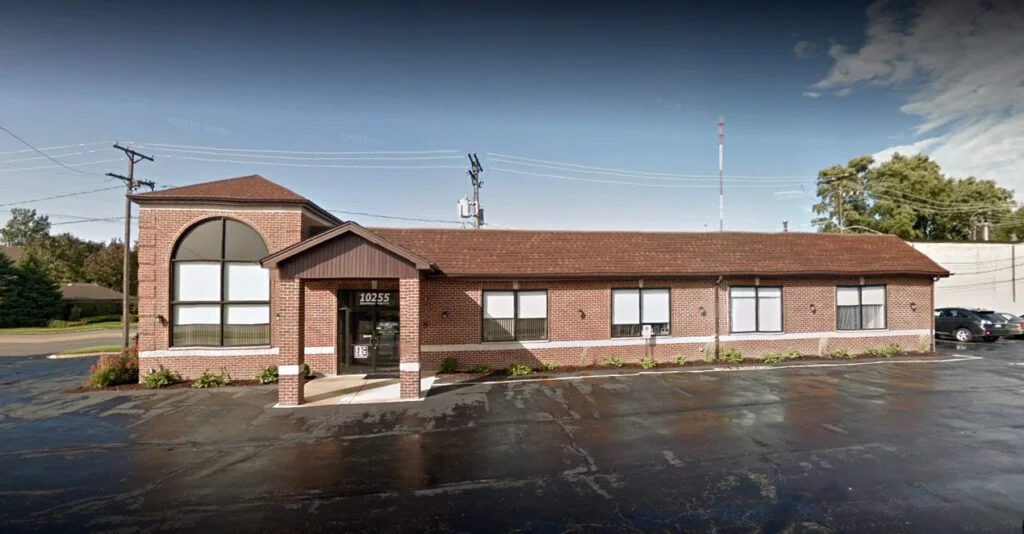
Find a Weil Foot and Ankle Location
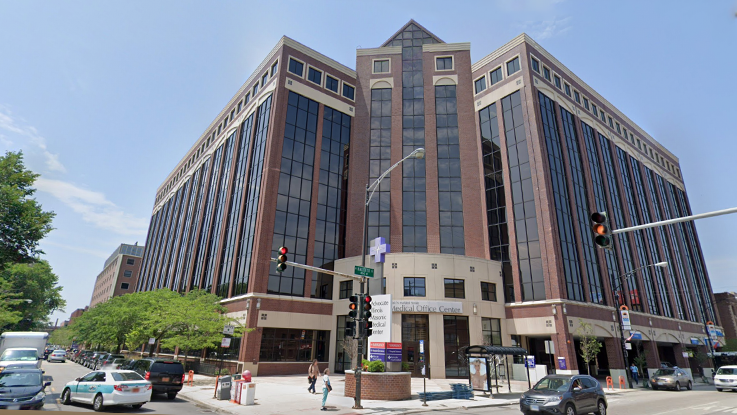
Weil Foot and Ankle Institute offers pathology lab services at locations across the region.





Have a foot or ankle concern that needs answers? Let’s get you scheduled.
We’re here to help you get an accurate diagnosis and a clear treatment plan.