
Peripheral Arterial Disease Care
Circulation testing and early diagnosis to protect your feet from complications caused by peripheral arterial disease.

What You Need to Know About PAD
Understanding circulation testing and how it helps protect your foot and ankle health.
Peripheral Arterial Disease and Circulation
Conditions like peripheral vascular disease (PVD) and peripheral arterial disease (PAD) have been on the rise in recent years and are typically associated with other conditions, such as cardiac disease, renal disease, hypertension, and diabetes. These circulatory disorders reduce blood flow to the legs and feet, which can lead to serious complications if left untreated.
At Weil Foot and Ankle Institute, our foot and ankle specialists will perform an evaluation of your baseline circulatory status by placing a device similar to a blood pressure cuff around your legs. This pain-free device will measure your circulatory flow and provide our specialists with the necessary information to determine if additional vascular testing is needed.
Diagnostic vascular testing proves to be necessary to treat several disorders. For example, complete vascular testing is useful in treating high-risk diabetic patients to prevent complications from poor circulation. Identifying reduced circulation early allows our specialists to coordinate appropriate care and referrals before more serious problems develop.
Prevention is key, so early diagnosis and treatment of these disorders can help prevent future issues, like ulceration, gangrene, and amputation. Patients with diabetes, poor circulation, or any other foot or ankle disorder are encouraged to schedule an appointment at one of the Weil Foot and Ankle offices today.
Who Should Consider Vascular Testing
Peripheral arterial disease often develops quietly, and many patients do not realize their circulation is compromised until symptoms affect daily life. Common warning signs include leg cramping during walking, cold feet, slow-healing wounds, changes in skin color or temperature, and reduced hair growth on the lower legs. Because these signs can be subtle, routine circulation checks are an important part of foot and ankle care.
Certain patients face a higher risk and benefit most from vascular evaluation. This includes individuals living with diabetes, high blood pressure, kidney disease, or a history of heart disease. Smokers and patients with a family history of vascular problems also fall into higher-risk groups. Complete vascular testing is useful in treating high-risk diabetic patients to prevent complications from poor circulation.
The circulation screening performed in our offices is quick and comfortable. Because the cuff-based test is pain-free, patients can complete it during a routine visit without special preparation. If results suggest reduced blood flow, our specialists will discuss next steps, which may include additional imaging or coordination with your primary care physician or vascular specialist.
Catching circulation problems early makes a meaningful difference in long-term foot health. Patients who stay ahead of PAD through regular monitoring and proactive care can avoid many of the serious complications associated with this condition and continue enjoying an active lifestyle.
Convenient Locations Near You
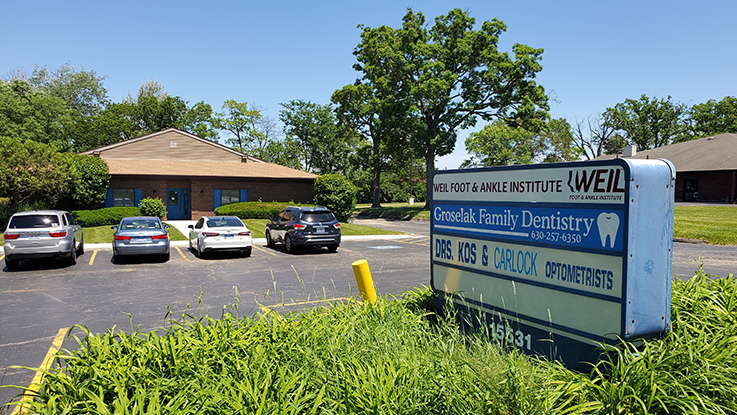
Find a Weil Foot and Ankle Institute office nearby for circulation testing and PAD care.

















Don’t wait to check your circulation, early testing helps protect your feet.
We’re here to help you catch problems early and keep you moving comfortably.