
Achilles Tendonitis Care and Relief
Ease pain and stiffness in the back of your heel with targeted treatment for Achilles tendon injuries and inflammation.
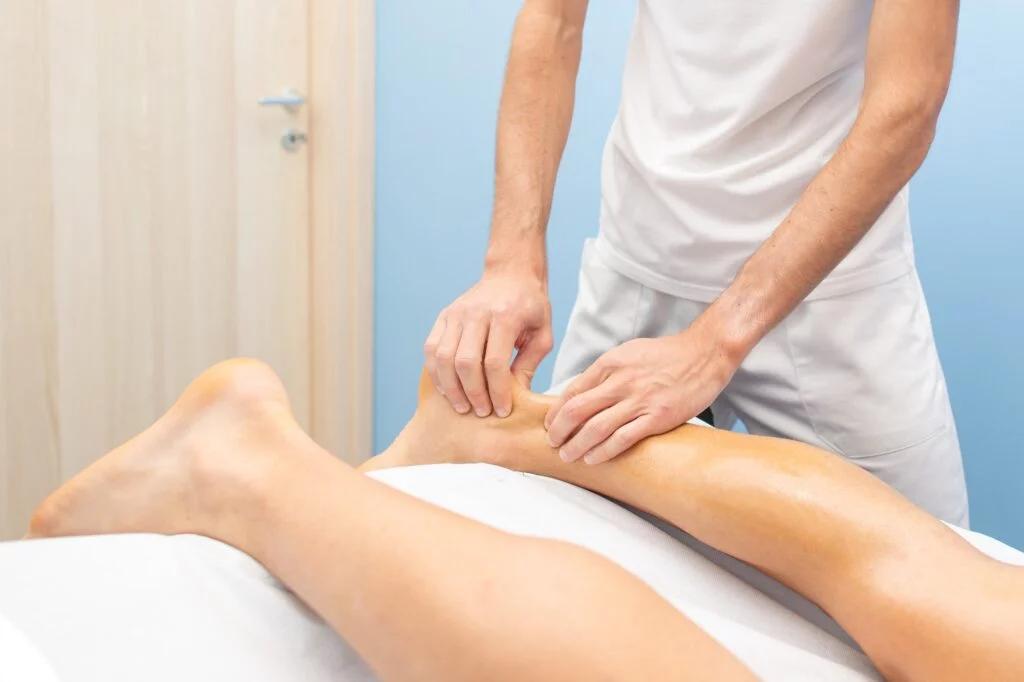
Understanding Achilles Tendonitis
Learn what causes Achilles tendon pain and when it is time to see a foot and ankle specialist.
What Is Achilles Tendonitis?
Achilles tendinopathy is a broad term describing conditions that cause pain, swelling, and stiffness to the Achilles tendon, a large tendon that attaches to the back of your heel bone. It is important to be able to differentiate between Achilles tendinitis, tendinosis, and a tendon tear or rupture, since each involves a different level of damage to the tendon and may require a different treatment approach.
Do you find yourself limping, unable to walk normally, or struggling to perform the activities that you enjoy due to pain in the back of your heel or lower leg? If so, then you may have a form of Achilles tendinopathy. One of the classic symptoms includes pain and stiffness during your first couple of steps in the morning. While these symptoms may be resolved within 15 minutes, they may return throughout the day with an increase in walking. At night or after strenuous activities, the pain can be at its worst and may be debilitating.
Any of these conditions may be caused by overuse of the tendon, improper training routines, inappropriate footwear, poor biomechanics, or aggravation by other conditions that you may be suffering from. Runners, weekend athletes, and people who suddenly increase their activity level are especially prone to Achilles issues.
There is great importance in noticing these symptoms as you begin to experience them. We suggest that you stop the activities that are causing the problem, and if that is not an option, then contact our foot doctors at Weil Foot and Ankle Institute for an evaluation so we can get you back on your feet.
Recovery, Prevention, and Long-Term Care
Recovery from Achilles tendonitis usually begins with rest and reducing the activities that aggravate the tendon. Ice applied to the back of the heel after activity can help calm swelling, and gentle calf stretching often eases the morning stiffness that many patients describe. Supportive shoes with a slight heel lift can also take pressure off the tendon during the day.
Physical therapy plays an important role in rebuilding tendon strength once the initial pain settles. Eccentric calf strengthening exercises, where the calf muscle lengthens under load, are a well-established part of Achilles rehabilitation. A gradual return to walking, running, or sport helps prevent flare-ups as the tendon heals.
Prevention comes down to smart training habits. Warm up before activity, increase mileage or intensity slowly, replace worn-out shoes, and pay attention to early signs of tightness or soreness in the back of the heel. Patients with flat feet, high arches, or tight calves may benefit from custom orthotics that improve alignment and reduce strain on the tendon.
Achilles tendon problems that are ignored can progress to chronic tendinosis or, in more serious cases, a partial or complete rupture. The earlier you address the pain, the more likely conservative care will be enough to resolve it. Our team will walk you through a treatment plan matched to your activity level and goals so you can get back to doing what you love.
Achilles Tendon Care Near You
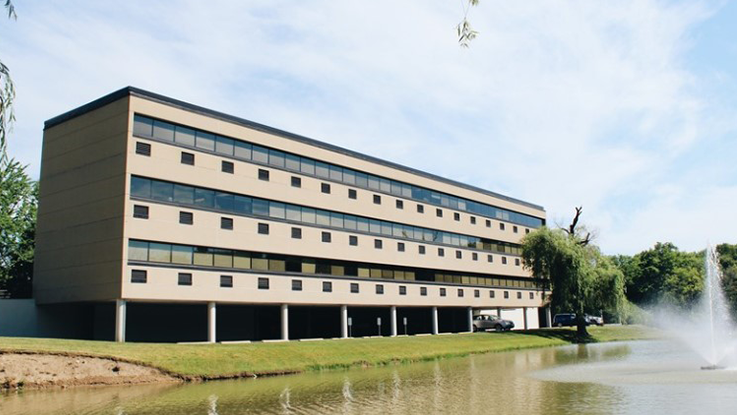
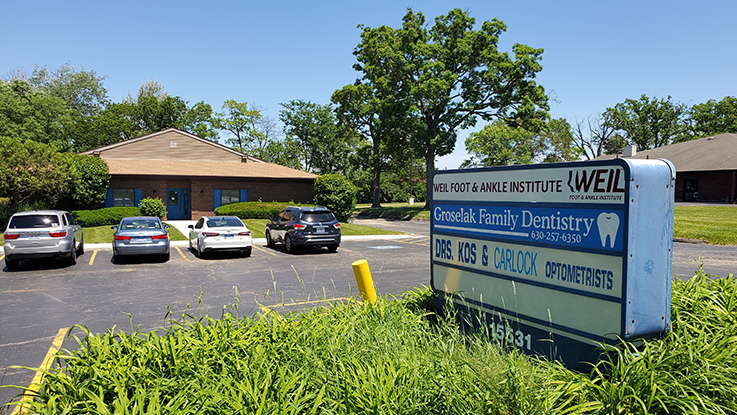
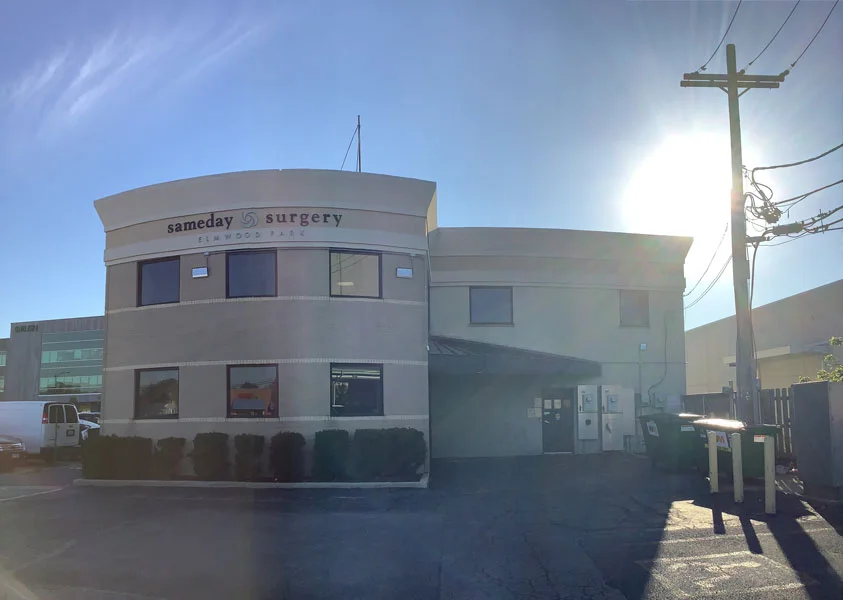
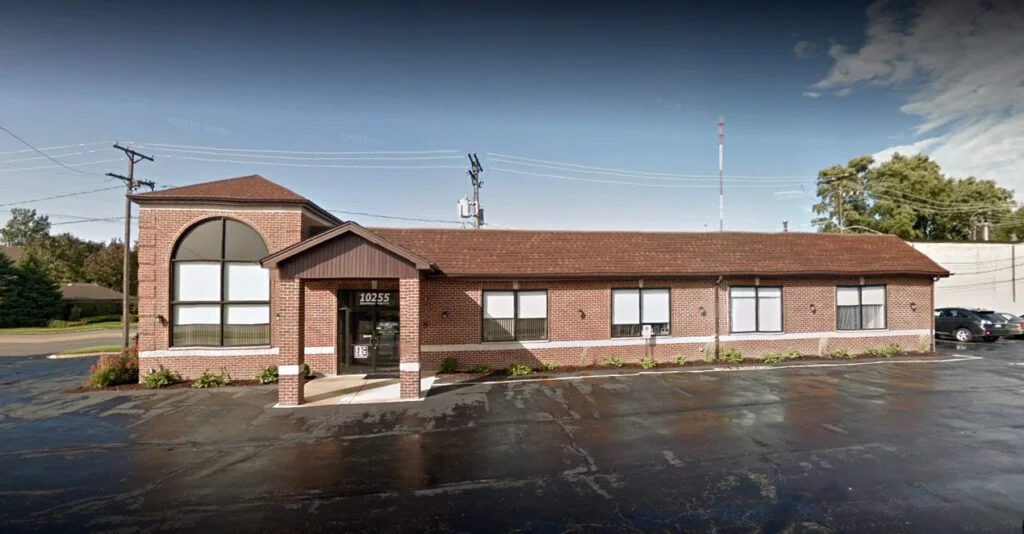
Find a Weil Foot and Ankle Institute location close to home for convenient, expert care.
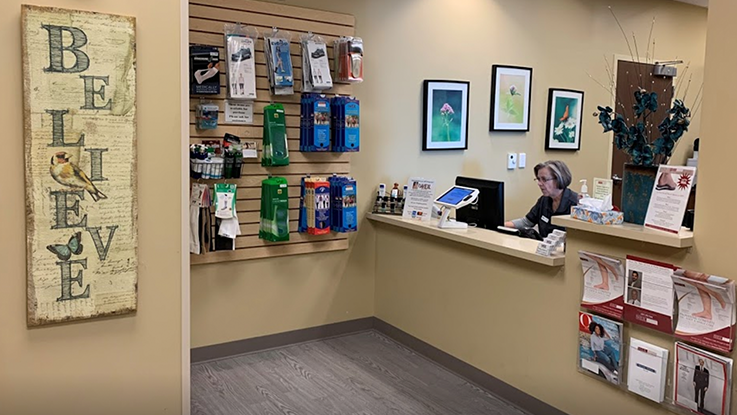
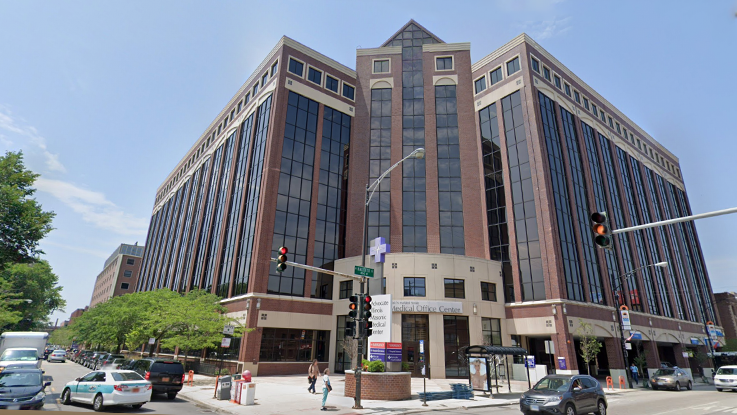
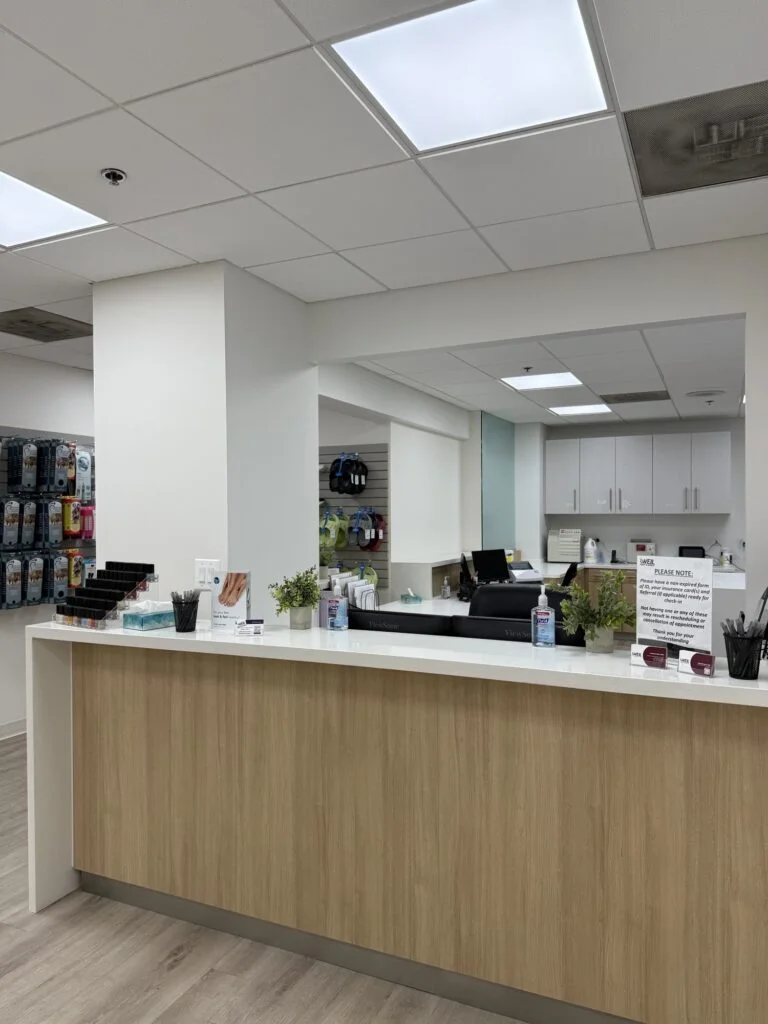





Heel pain slowing you down? Let’s get you back on your feet.
Don’t wait for Achilles pain to get worse. Schedule your evaluation today.