
Bunion Surgery That Corrects the Cause
Advanced surgical correction that repositions the bone, restores alignment, and reduces the risk of bunion recurrence.
Understanding Bunion Surgery
What bunions really are, why they form, and when surgery becomes the right option.
Correcting Bunions at the Source
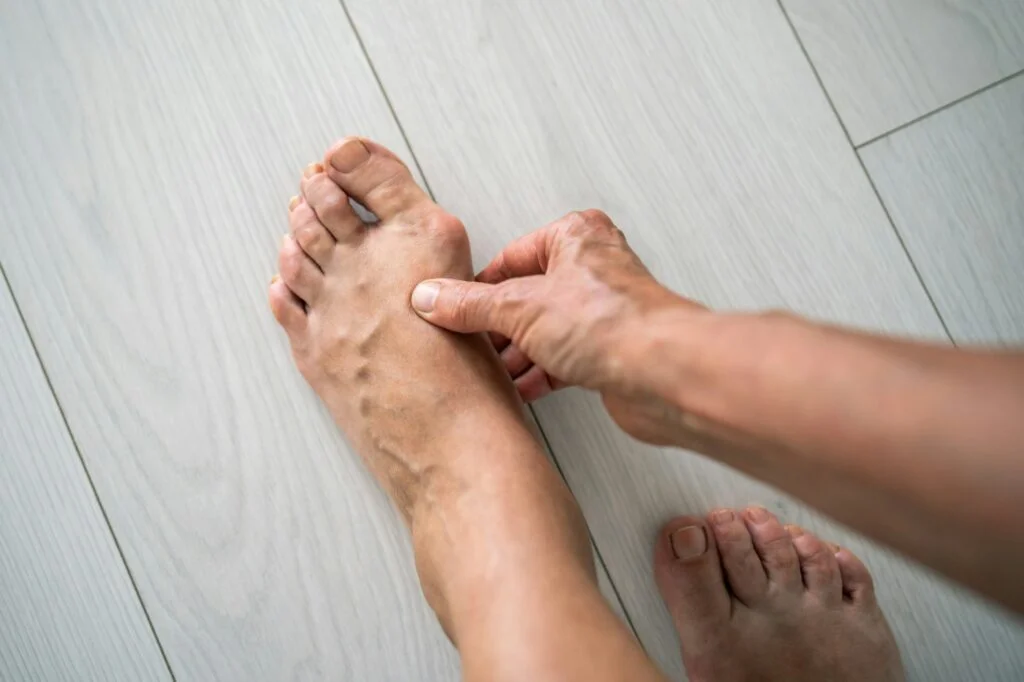
For most, a bunion is defined as a prominence or ‘bump’ near the big toe joint. When seen with the naked eye, however, we don’t get the whole story. The bump that develops over time is the result of the slow drifting of a bone in the foot that in essence causes a dislocation of the big toe joint. The bump is, in fact, normal bone (not extra) in most cases which has moved out of position.
Bunions (hallux valgus) are painful bony bumps that form on the outer edges of the foot, at the base of the toe joint. The big toe drifts towards the lesser toes while the long bone it is connected to drifts the opposite way. If allowed to progress, bunions can cause a partial dislocation of the toe.
The cause of a bunion is biomechanical in nature. Often, bunions develop from faulty foot mechanics that we inherit. Yes, you can thank someone in your family tree for passing down the foot structure that results in a bunion. Despite what you may read in your google searches, bunions are not caused by shoes, though narrow or pointed shoes can further aggravate the problem.
Having a bunion does not in and of itself necessitate surgery, which is why bunion surgery is elective. In our opinion, a bunion must be bothersome on a regular basis to a point that limits your activities and shoes to be worth the risks and recovery that surgery involves. If you want to keep your bunion, we can treat it conservatively with appropriate shoes, custom orthotics, padding, and injection therapy. If you want the bunion gone, our surgeons will review every option with you to determine the right path forward.
Bunion Correction for Better Movement
Explore how modern bunion correction can address alignment and discomfort while supporting improved foot function and mobility.
Surgical Options and Recovery
Correcting a bunion has evolved over decades. Long ago, the bump of bone was simply removed to reduce the painful prominence, but this did not address the instability at the root cause. Later, surgeons shifted to repositioning the bone through an osteotomy (translated to ‘bone cut’), securing it with screws, pins, or plates. This improved alignment, but correction was often limited to one or two dimensions.
3D bunion correction repositions the bone to restore more normal anatomical function and motion in the great toe joint. The previously unstable joint is then secured with plates, screws, or pins to minimize recurrence. Lapiplasty and Lapifuse are two systems used today.
The Scarfplasty was developed in 1985 by Dr. Lowell Weil Sr. and has been championed by the doctors at Weil Foot and Ankle Institute for decades. It allows correction in multiple planes of deformity, tolerates immediate weight bearing, and can be performed on both feet during the same appointment. Most patients return to athletic shoes within 7 to 10 days.
For patients who prefer a metal-free option, OSSIOfiber is built with natural mineral fibers and natural polymer, and is gradually replaced by your own bone over 18 to 24 months.
Recovery varies depending on the procedure selected, your age and weight, and the severity of the bunion. Your surgeon will review every option with you to determine the best path back to comfortable activity and regular shoes.
Find Bunion Surgery Care Near You
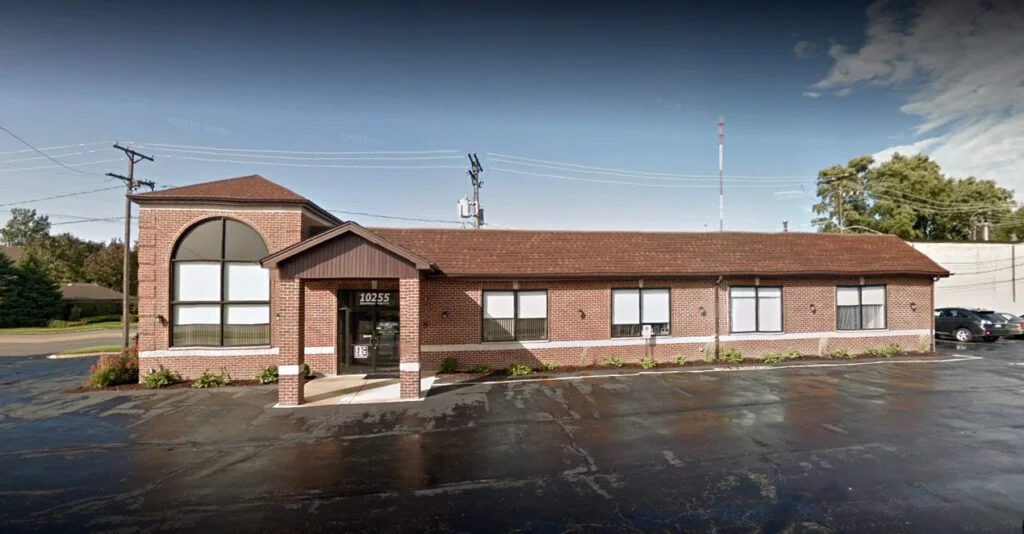
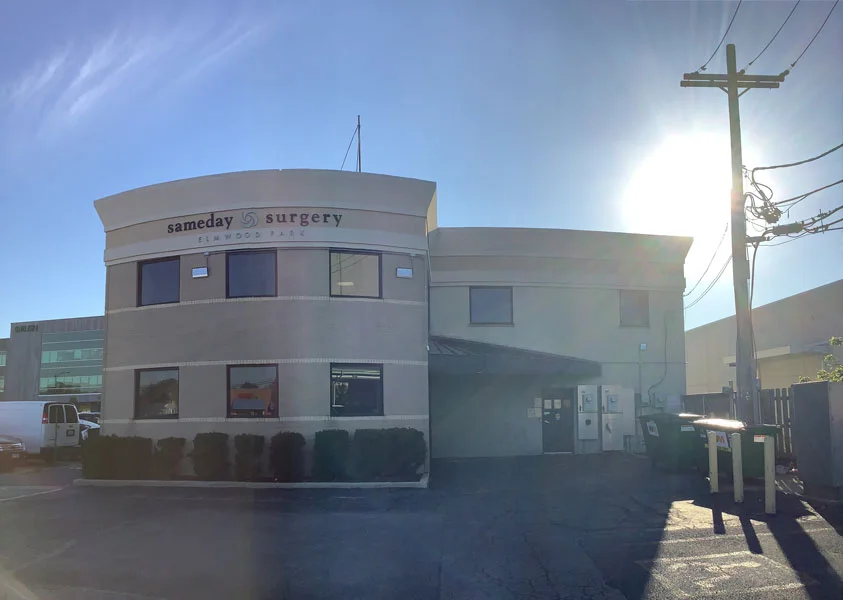
Find a Weil Foot and Ankle Institute location offering bunion surgery close to home.









Ready to say goodbye to your bunion? Let’s talk about your options.
Our surgeons will help you choose the right procedure for your feet.