
Ingrown Toenail Treatments You Can Trust
Painful, red, or swollen toenail? Our podiatrists provide safe, effective relief before a small problem becomes serious.
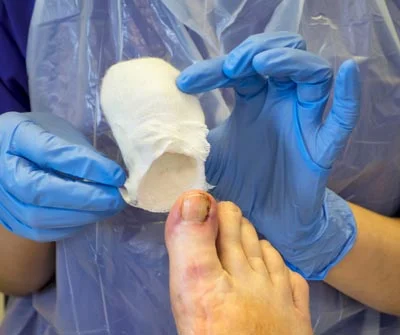
What You Need to Know
Understanding ingrown toenails and why prompt care matters for your foot health.
Ingrown Toenail Care and Relief
You notice that your big toe is a little sore and red around one side of the nail, but you brush it off. Perhaps you researched your symptoms and decided that you have an ingrown toenail. No big deal, right? Wrong. While many ingrown toenails resolve themselves or require little treatment, there are times when one can go from an annoying sore spot to a serious, even life-threatening infection.
The most common signs of an ingrown toenail include tenderness or pain along one or both sides of your toenail, a red area around your toenail, swelling near the sides of your toenail, heat coming from the painful or swollen area, and pus leaking from the reddened area of your toe.
If you have noticed any of these signs, even if there is no pain yet, we highly recommend that you come in to be evaluated. As is the nature of a toenail, it may continue to grow, possibly embedding itself further into your toe. When this happens, your risk of complications increases, including an infection that can travel from the toe to the surrounding bone. A bone infection is serious and can cause extreme illness and even death.
If you are diabetic, the risk of infection is higher due to the possibility of poor circulation in your feet. Please be sure to check daily for any swelling or redness around your toenails, as neuropathy may prevent you from feeling pain or discomfort. When in doubt, schedule an evaluation with our team so we can address the problem before it worsens.
Preventing Ingrown Toenails at Home
While professional care is essential once an ingrown toenail develops, there are steps you can take at home to reduce your chances of dealing with one in the first place. Small changes in how you trim your nails, choose your shoes, and care for your feet each day can make a meaningful difference.
When trimming your toenails, cut straight across rather than rounding the corners. Rounded edges encourage the nail to grow into the surrounding skin. Keep nails at a moderate length, not too short, and use clean, sharp clippers designed for toenails rather than fingernail clippers.
Footwear also plays a significant role. Shoes that squeeze the toes together, whether from being too narrow, too short, or too pointed, place constant pressure on the nail and skin. Choose shoes with a roomy toe box and rotate pairs so your feet are not always in the same shape of shoe. Socks that fit properly and wick moisture help keep the skin around the nails healthy.
Daily foot checks are especially important if you have diabetes, circulation problems, or reduced sensation in your feet. Look for redness, swelling, drainage, or changes in the nail edges. Wash and dry your feet thoroughly, paying attention to the areas around each nail.
Even with careful habits, ingrown toenails can still happen. If you notice early warning signs or have a history of recurrent ingrown nails, reach out to our team so we can help you find a lasting solution.
Find Ingrown Toenail Care Near You
Weil Foot and Ankle Institute offers convenient locations to help you get relief quickly.








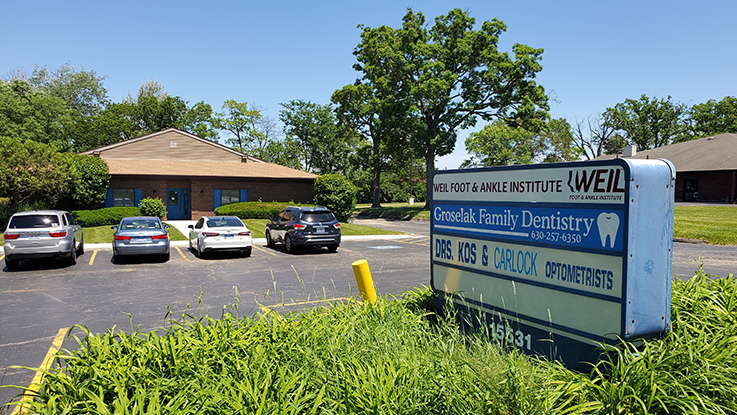





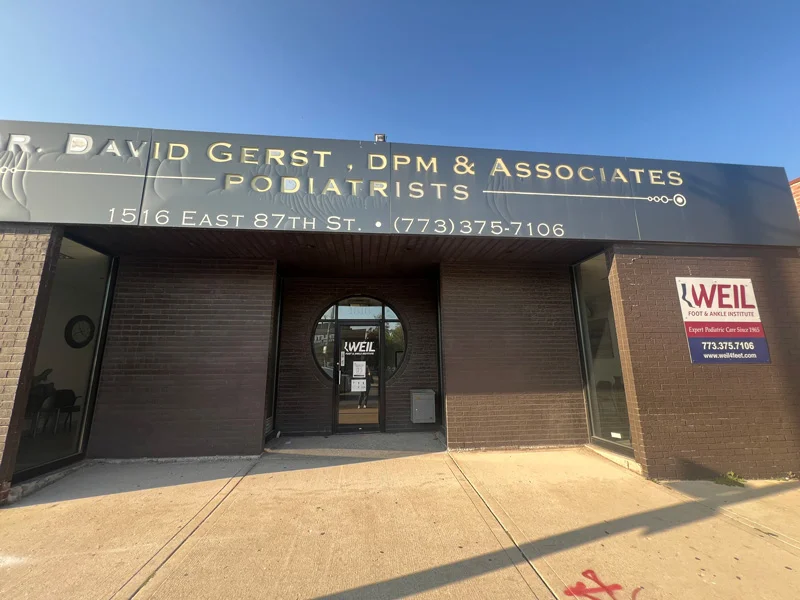
Don’t let a sore toenail turn into something serious, we’re here to help today.
Book an appointment with our podiatry team and get the relief you need.