
Plantar Fasciitis and Heel Pain Relief
Comprehensive, protocol-driven care for chronic heel pain, with non-surgical treatment successful in more than 90% of cases.

What You Need To Know
Understanding heel pain, what causes it, and how we work to resolve it.
Understanding Plantar Fasciitis and Heel Pain
Heel pain is typically the result of an overuse injury called plantar fasciitis, more commonly known as heel spur syndrome. A bone spur is not always present, and when it is there, 99% of the time it doesn’t actually cause the pain. The pain is the result of inflammation to the plantar fascia, a strong ligament that runs from your heel to your toes.
Are you afraid to put your feet on the ground when you get out of bed because you know there will be pain in your heel? We know what you’re going through. Pain on the bottom of the heel is among the most common complaints we hear, and most people can’t recall a specific injury that started it. Something as simple as prolonged standing or wearing the wrong shoes can trigger it.
Bone spurs, when they do form, are painful bumps caused by joint damage from arthritis. When cartilage is worn down, you’ll feel painful inflammation as your foot bones grind together, which can change the structure of your bones and create tiny spurs. Conditions that most often contribute to bone spurs include plantar fasciitis, arthritis, tendonitis, and reactive arthritis.
If you’re experiencing foot pain, you may need X-rays to rule out a bone spur. We work collaboratively with you to fully understand your condition and the root cause of it, then build a treatment plan around what we find. The sooner you come in for an evaluation, the sooner we can get you on the path to relief.
Our Approach to Treating Heel Pain
Patients suffering from chronic heel pain, including plantar fasciitis and heel spur syndrome, can be treated successfully without surgery in more than 90% of cases. The good news is that with appropriate treatment, the pain will resolve most of the time without an operation. The harder truth is that we can’t predict how fast you’ll respond, and the longer you wait to start treatment, the longer it typically takes to resolve.
Our foot and ankle specialists see heel pain patients every day. We go beyond standard treatment and use advanced techniques, such as ultrasound guidance for steroid injections, to improve accuracy and reduce discomfort during the procedure. If you meet with us at the first sign of symptoms, you may be able to avoid further damage with custom orthotics and other non-surgical treatments.
If your heel pain remains after advanced conservative techniques, surgery can certainly be considered. Because most people want to avoid surgery, we also offer shockwave therapy to bridge the gap between failed conservative care and surgery. A non-invasive shockwave therapy stimulates new blood flow to the damaged area and starts the healing cascade with no cutting, no complication, and no downtime.
If surgery is elected, we’ve got you covered. Most procedures are performed outpatient in under 30 minutes and allow you to walk that day in a protective device. Within two weeks, the majority of our patients are back in sneakers and moving forward with their recovery.
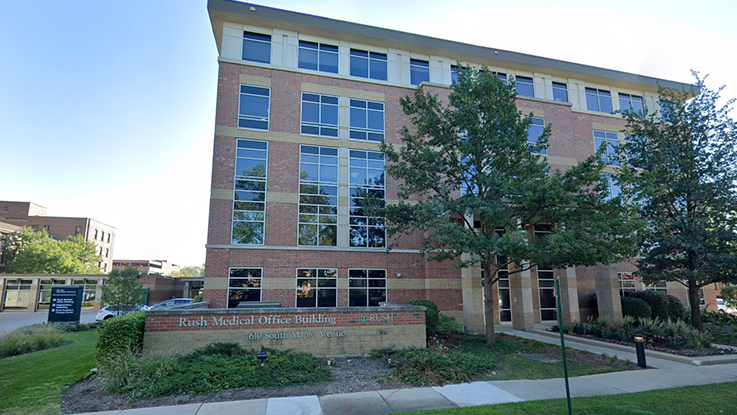
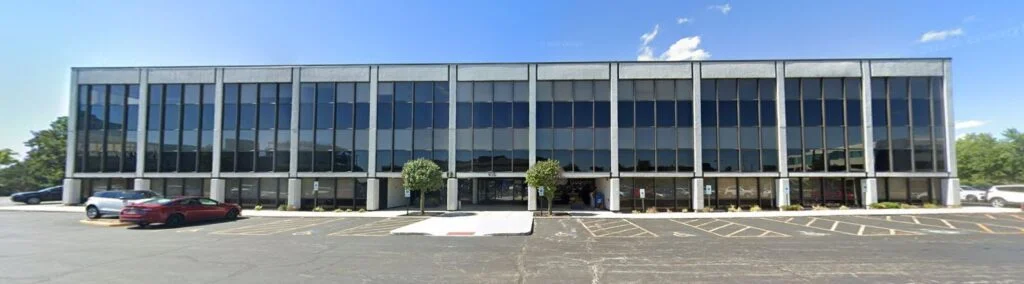
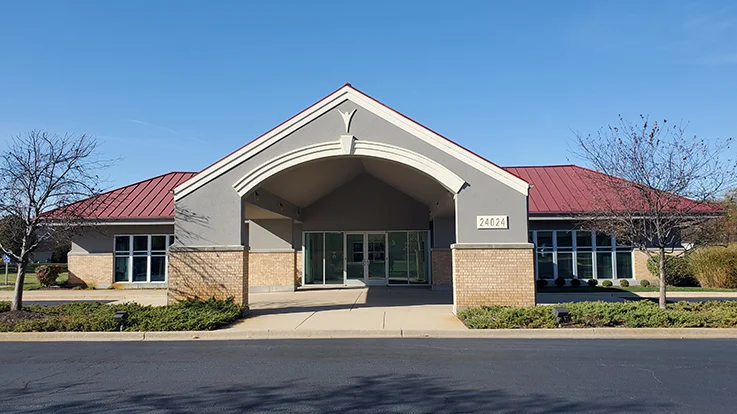
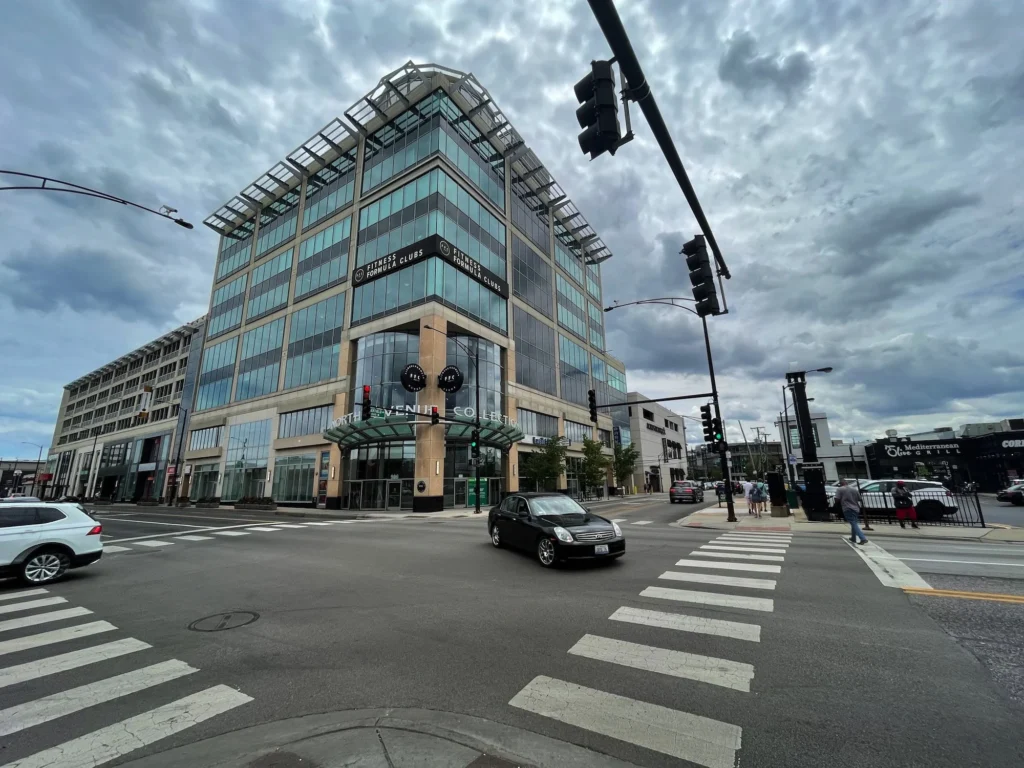
Find Heel Pain Care Near You
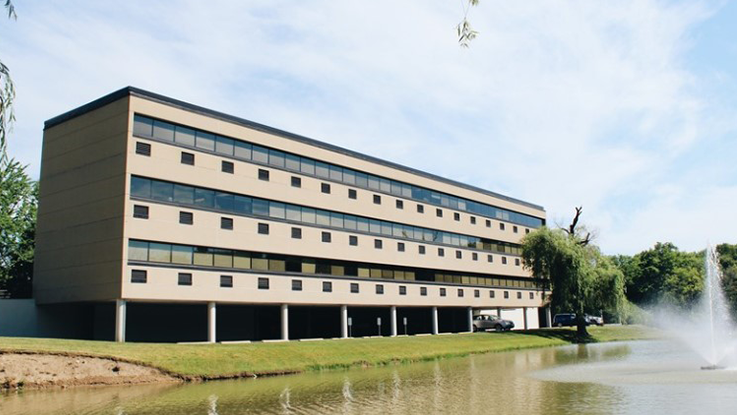
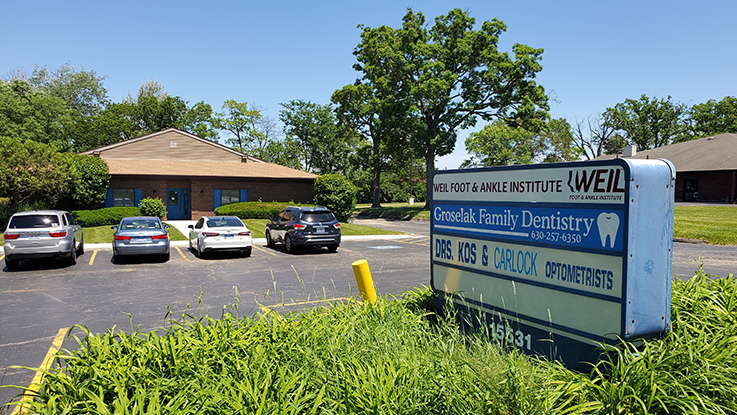
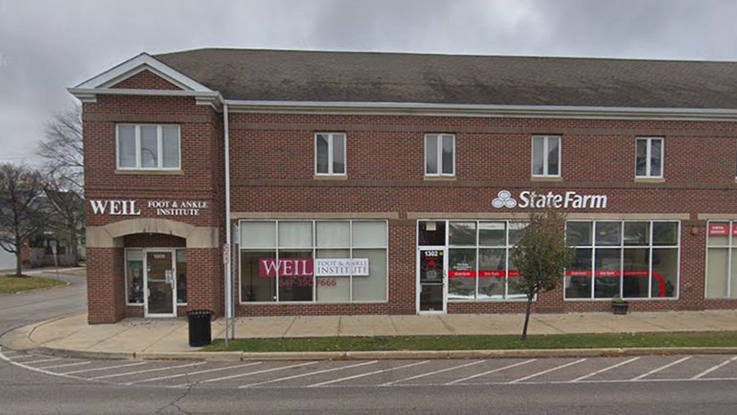
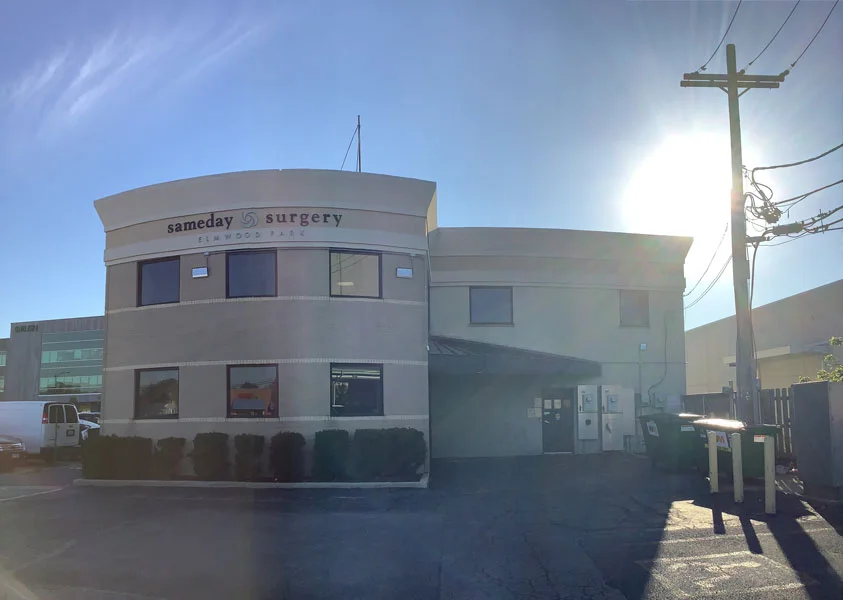
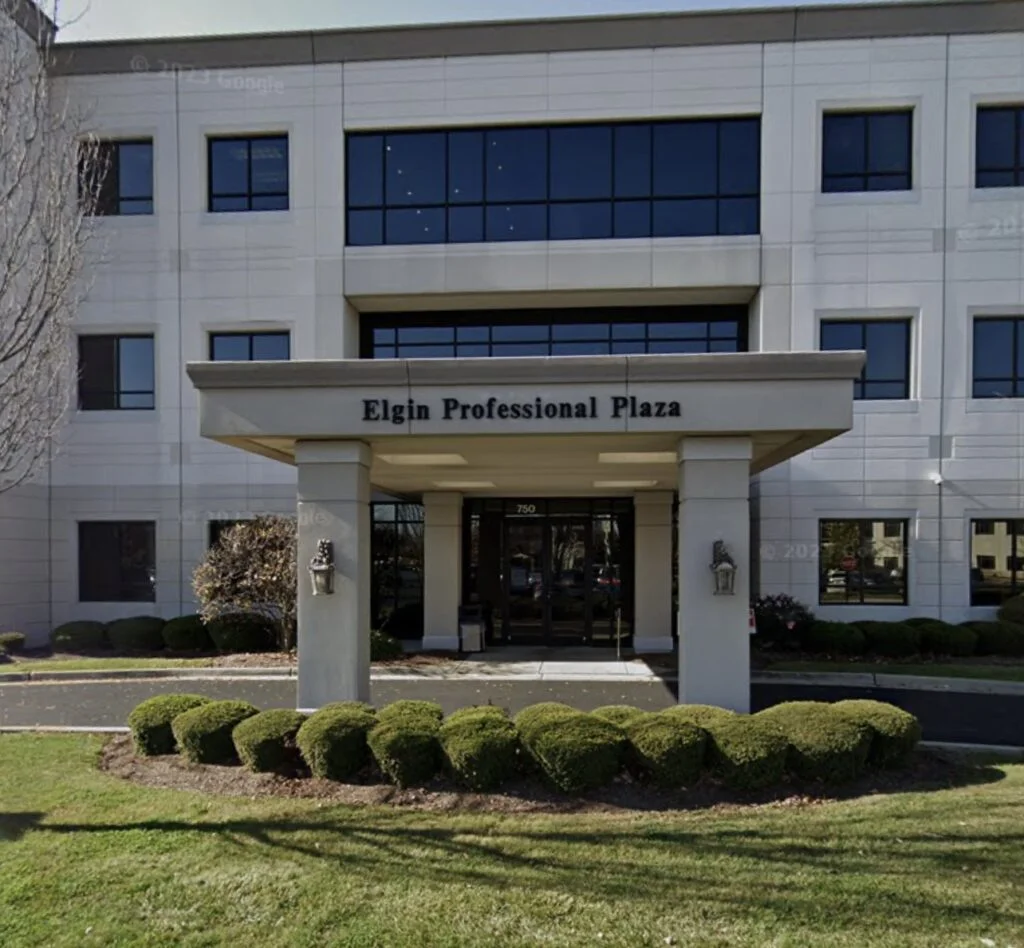
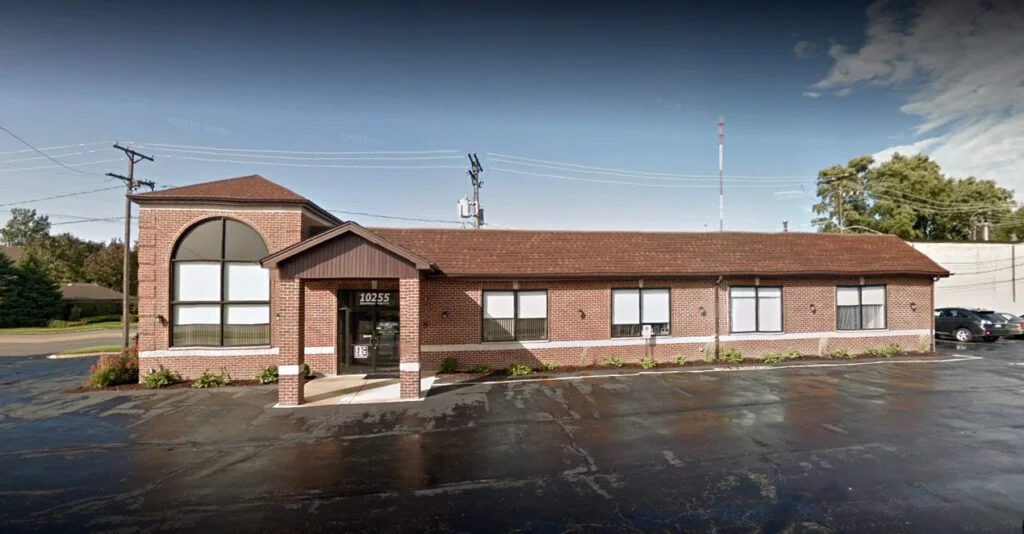
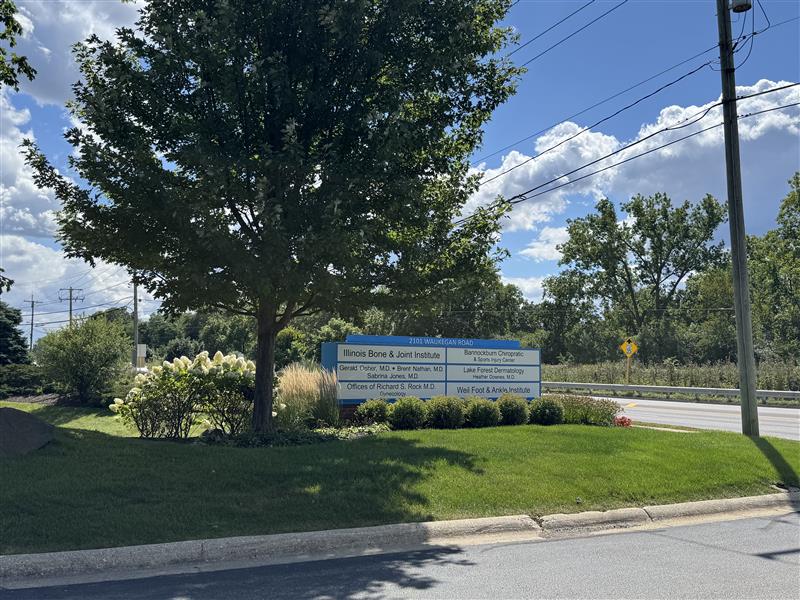
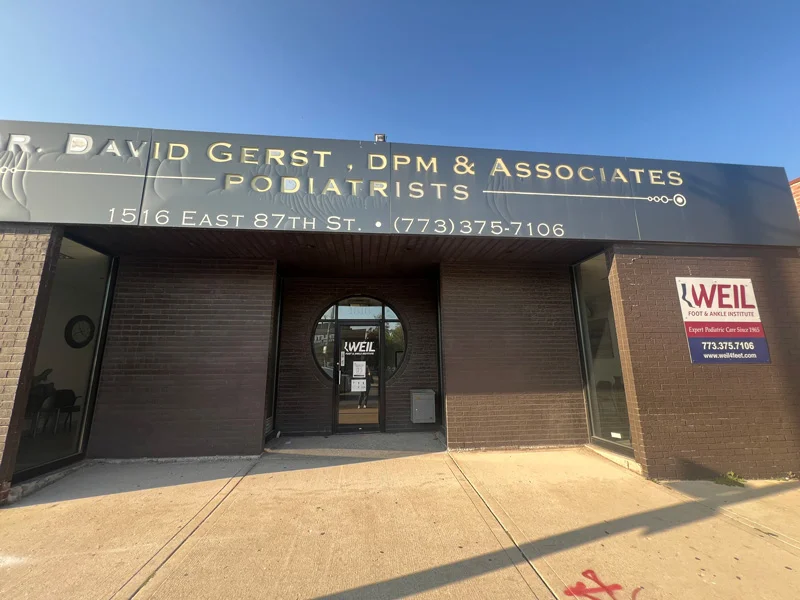
Weil Foot and Ankle Institute offers convenient locations to help you get back on your feet.


Don’t let heel pain keep you from the life you love. Let’s get you moving again.
Schedule your visit today and start feeling relief with a team ready to help.