
Nerve Testing for Foot and Ankle Pain
Diagnostic nerve and muscle testing to pinpoint the source of tingling, numbness, weakness, or pain in your legs and feet.

What You Need To Know
Understanding nerve sensory testing and when it may be recommended for you.
Nerve and Neurological Sensory Testing
Nerve and neurological sensory testing is performed using an electromyogram (EMG), which measures the electrical activity of muscles at rest and during contraction. Nerve conduction studies measure how well and how fast the nerves can send electrical signals.
Nerves control the muscles in the body with electrical signals called impulses. These impulses make the muscles react in specific ways, allowing your doctor to evaluate the responsiveness of the nerves and muscles. An abnormal response indicates a problem with the nerves and muscles, and may help to establish the specific nature of the issue.
There are a number of different things that can cause muscle pain and numbness in the lower extremities. Poor circulation, diabetes, injuries, and other conditions can cause damage to nerves and muscles that impedes their ability to conduct signals and respond to impulses from the brain.
A nerve sense test may be called for if you are experiencing any symptoms of nerve damage or a nerve disorder. These include tingling, numbness, weakness, spasms, or paralysis of the leg muscles. If you have leg pain or numbness, testing helps determine how much your nerves are being affected and whether the nerves in your spine and lower extremities are working properly.
If you are noticing any of these symptoms, we encourage you to schedule an evaluation so our team can determine whether nerve testing is the right next step for you.
What to Expect During Your EMG
An EMG can be performed at any of our Weil Foot and Ankle Institute podiatry offices in or around the Chicago area. Our EMG technologists or Chicago podiatrists will conduct the test in a room designed to block outside electrical interference.
You will be asked to either lie down on a table or bed or sit in a reclining chair to relax your muscles. The skin around the testing area will be cleaned, and an electrode attached to a recording machine will be placed on the skin. Once the electrodes are in place, the electrical activity in your relaxed muscle is recorded. You will then be asked to slowly tighten the muscle so the machine can record the activity during contraction. The electrode may need to be moved several times to get a complete reading. A video monitor shows the electrical activity as wavy or spiked lines, and you may also hear the activity as you contract and release your muscles. The EMG test usually takes 30 to 60 minutes.
No major preparation is necessary for an EMG. You should bathe or shower the day of the test, and your doctor may ask you not to use lotion or oil on the area being examined, as these can interfere with results. Let your doctor know if you have a pacemaker or cardiac defibrillator, as electrical stimulation may affect these implants.
There may be some mild muscle soreness following an EMG, but this should subside after a day or two. You will receive your results within a couple of days, and if needed your doctor will work with you to build a treatment plan based on what the test reveals.
Nerve Testing Locations in the Chicago Area
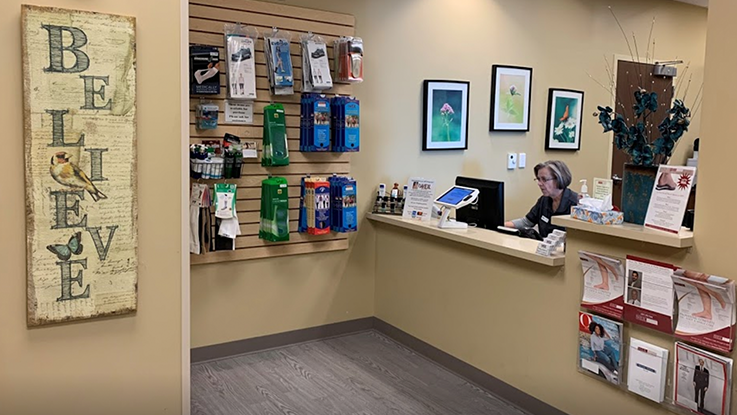
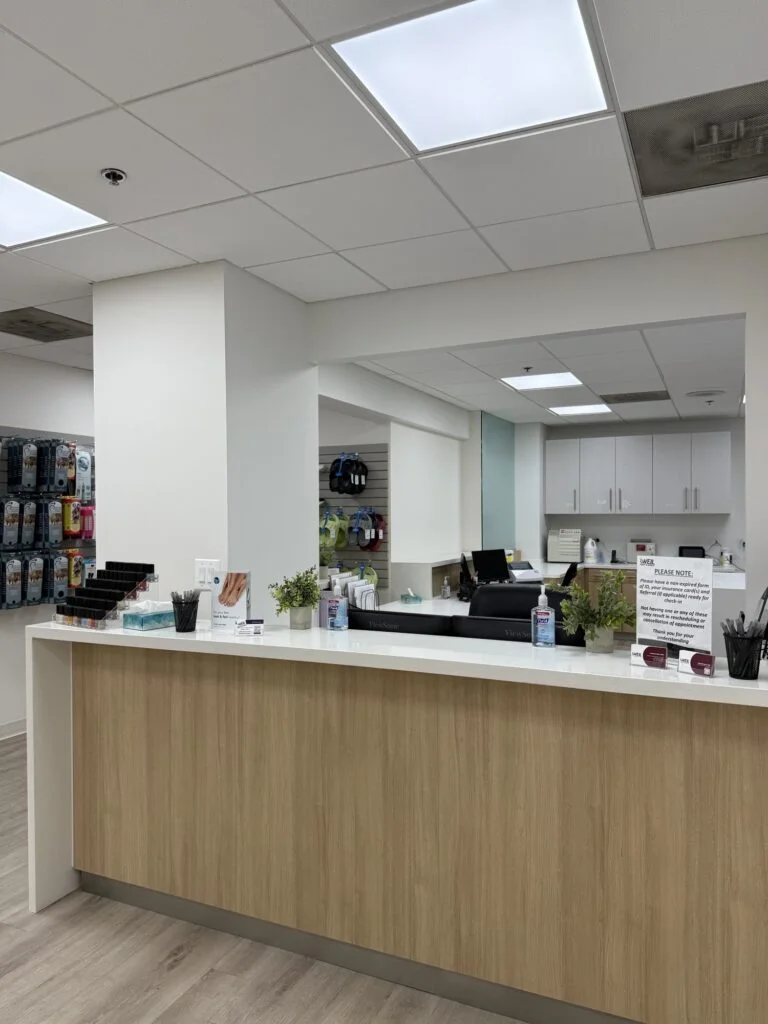
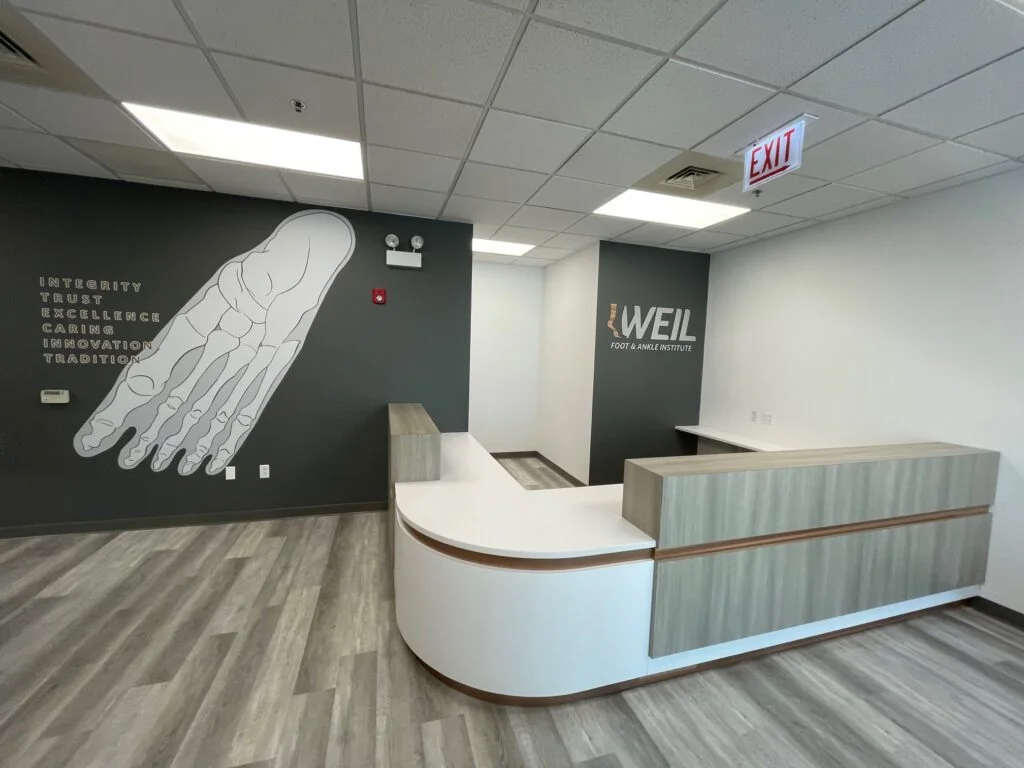
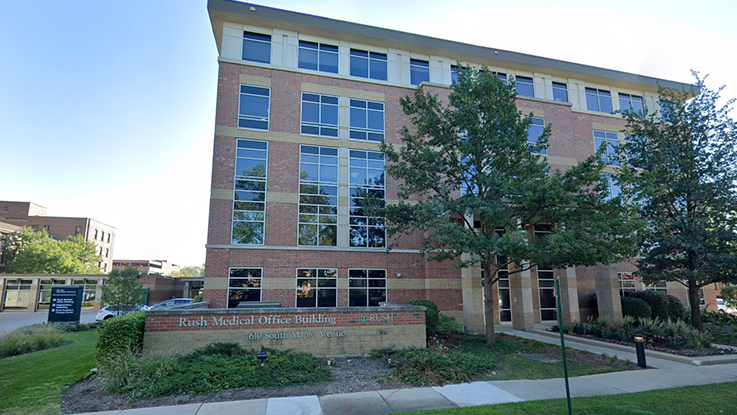
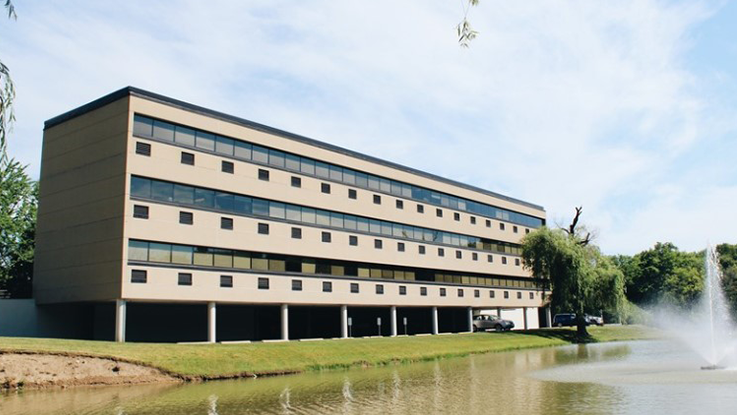
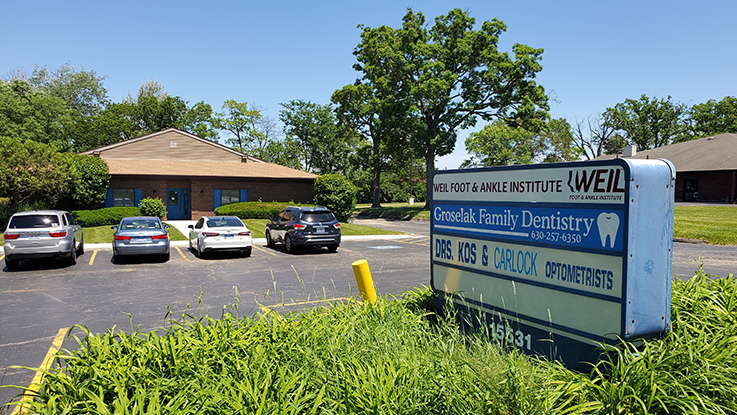
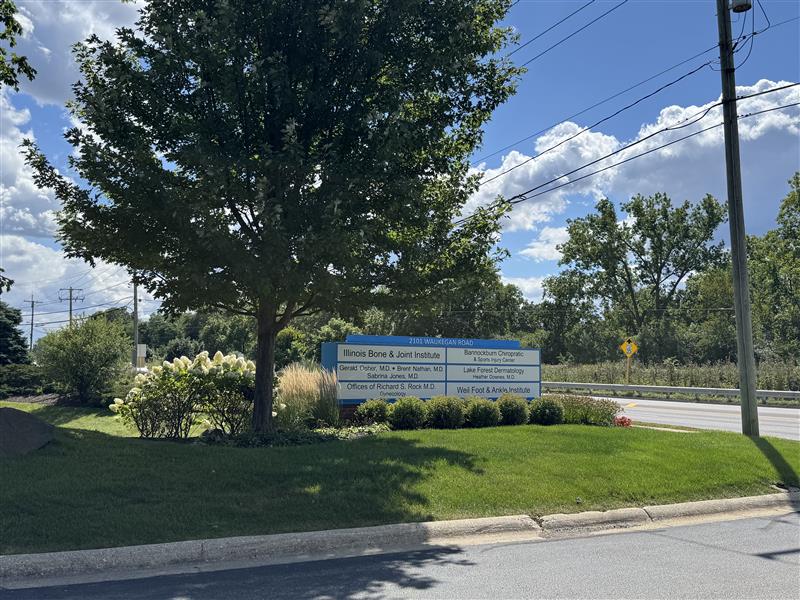
Find a Weil Foot and Ankle Institute location near you offering nerve sensory testing.











If you’re dealing with tingling, numbness, or leg pain, let’s find the cause together.
Our team is here to help you get answers and relief. Schedule your visit today.