
Hammertoe Treatments For Lasting Relief
Straighten bent toes and ease discomfort with conservative care and surgical options tailored to your feet.
What You Need To Know
Learn what hammertoes are, why they form, and how our specialists treat them.
Understanding Hammertoes And Your Care
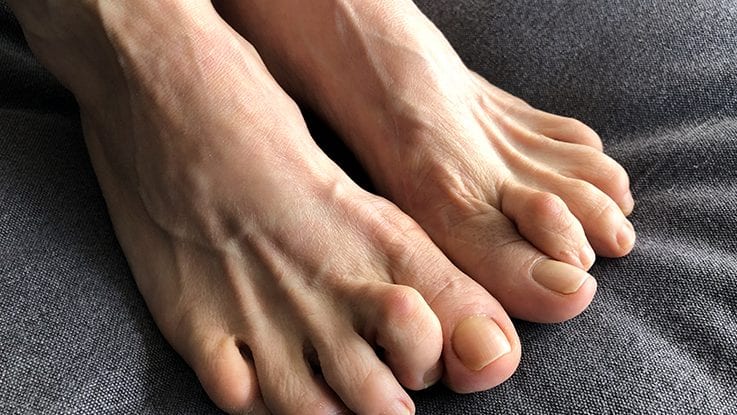
Hammertoes, which people often call claw or monkey toes, are toes that bend or contract in an unnatural way, which causes the toe bone to become more prominent and bulging. The condition most often affects the second, third, or fourth toe and can involve one or both feet.
There are various causes for developing hammertoes. Some people are born with hammertoes; others develop them over time from poorly fitting shoes, the structure of their feet, or an imbalance between their muscles and tendons. Shoes that are too tight, too short, or have high heels can force the toes into a bent position that eventually becomes fixed.
You may experience the following symptoms if you have hammertoes: irritation when wearing shoes, developing corns or calluses on the top of the bent toe or between toes, and dislocation of the toe joint. Early on, the affected toe may still be flexible, but over time the joint can become rigid and painful.
Prolonging treatment causes hammertoes to become more rigid or stiff, which increases your chances for needing surgery. If you notice a toe beginning to bend, if corns and calluses keep returning, or if shoes have become uncomfortable, it is a good idea to have your feet evaluated by one of our foot and ankle specialists so treatment can begin while the toe is still flexible.
Treatment Options And What To Expect
Our foot and ankle specialists have years of experience treating hammertoes using non-surgical or non-invasive methods. These methods include professional trimming of corns and calluses, a recommendation for proper fitting shoes, splinting or strapping toes to help position them correctly, orthotics, or even medication. Conservative care works best when the toe is still flexible and can often relieve discomfort without further intervention.
Although surgery for hammertoes is our last option, we offer arthroplasty (the removal of bone from an affected joint), arthrodesis (fusion of an affected bone), or a tendon muscle balancing procedure. Our specialists will thoroughly assess your condition to determine which procedure, if any, will give you the best results for your hammertoes.
You may feel that you’ve had hammertoes for many years and find that it doesn’t bother you. You may be unsure if anything can be done to improve the state of your feet. We have known patients who keep their toes covered due to feeling embarrassed or ashamed, and we want you to know that help is available at any stage of the condition.
Be sure to discuss any questions you have about hammertoes with our foot and ankle specialists. Together we can build a plan that fits your lifestyle, eases your symptoms, and helps you return to comfortable, confident walking.
Find Hammertoe Care Near You
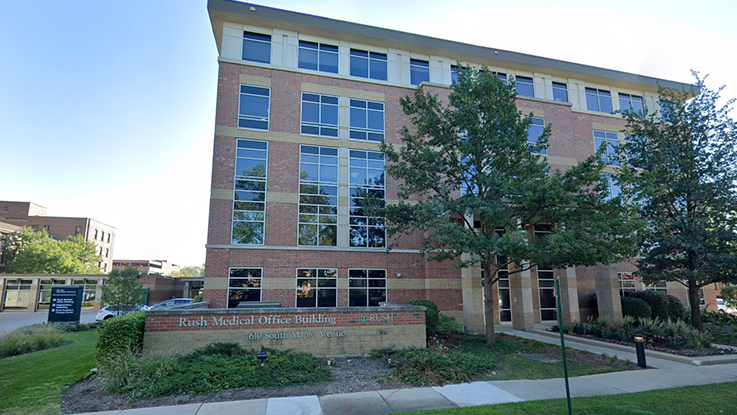
Our specialists treat hammertoes at convenient locations throughout the region.













Don’t let hammertoes keep you from the shoes and activities you love.
Schedule a visit with Weil Foot and Ankle Institute and we’ll help you feel better soon.